
Role-play in sales training: why replaying the scene changes everything
Salespeople hate role-play, often with good reason. What separates an awkward exercise from practice that changes real meetings.
BlogSimulations
You know your answers by heart, and yet everything blurs at the second question. The difference between knowing what to say and having said it before.

Job interview preparation, for most candidates, means rereading their career history and drawing up a list of likely questions. That is useful. It is not enough. On the day, the voice tightens, the answer drags on, and the example that was so clear on paper becomes muddled out loud.
The reason is simple: you prepared the content, not the moment. An interview is a live exchange with someone who reacts.
An answer read in your head takes thirty seconds. Spoken aloud, it sometimes takes three times as long. You only find out by saying it.
A recruiter follows up, interrupts, frowns. No document prepares you for that.
The question you dread always comes. Better to have faced it once already in a setting with nothing at stake.
“I am rigorous” proves nothing. A specific situation does.
This classic framework helps you stay clear: the context in one sentence, what was asked of you, what you did, what came of it. It stops you getting lost in the story.
Finish your answer with a concluding sentence, then stop. The silence that follows belongs to the recruiter.
Rehearsing in front of a kind friend is reassuring but poor preparation. You need someone who holds the role, with their follow-ups and their silences.
“You were good” teaches you nothing. “On the question about why you left, you looked at the table and spoke for a minute too long” helps you progress.
This is the heart of the method. You take the same question again with one adjustment, and you feel the difference.
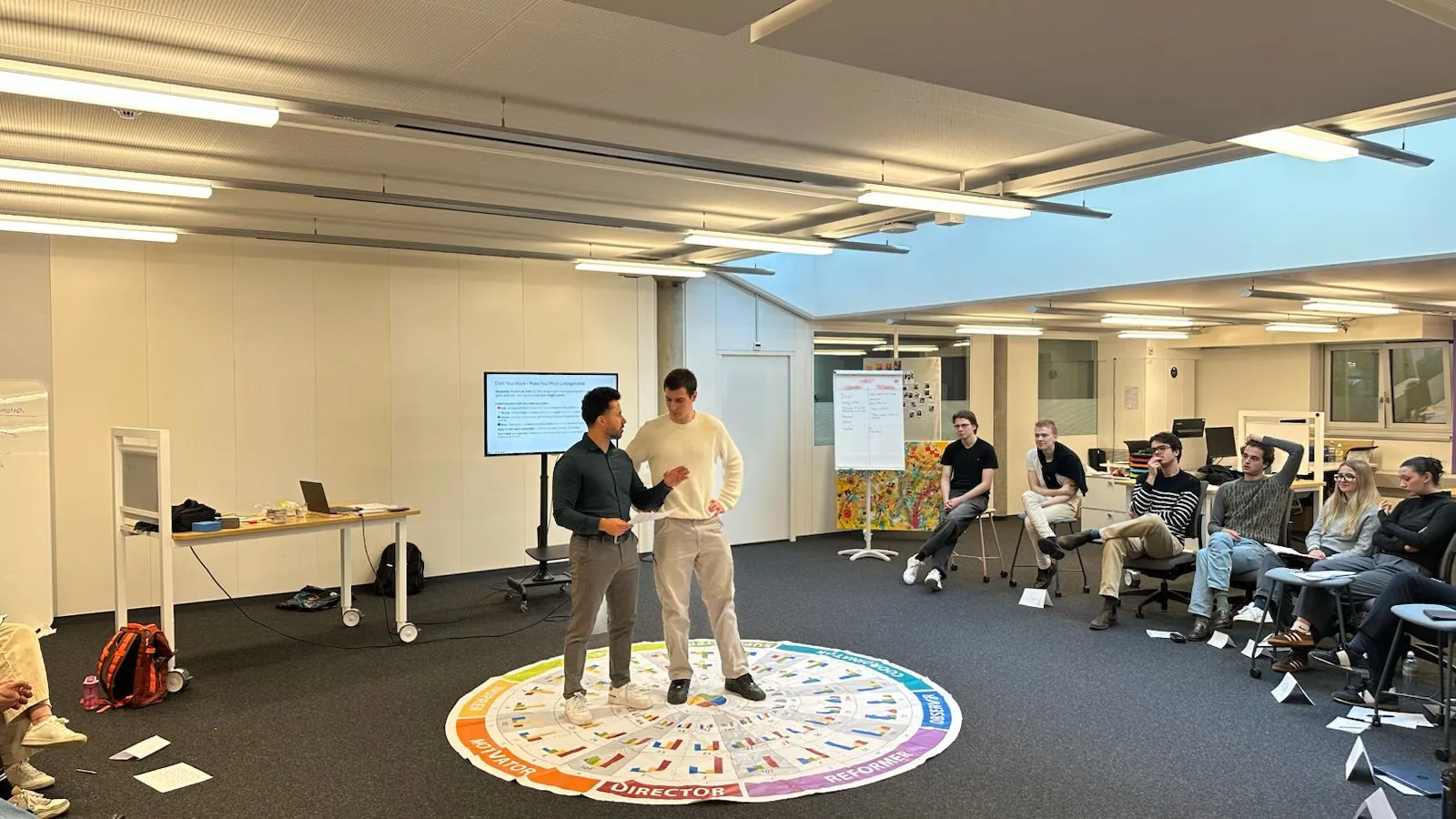
In a corporate simulation, you bring the real situation: the role, the company, the questions you dread. I play the recruiter, we debrief one precise moment, then you replay the scene to test a different approach.
My experience as a sales director and trainer helps me understand what is at stake in the exchange. My work as an actor lets me play a credible counterpart. Find out how a simulation works and book a 30-minute call.
Let’s talk about your situation.
A first 30-minute call to clarify your need and the format that would suit your team.
The author
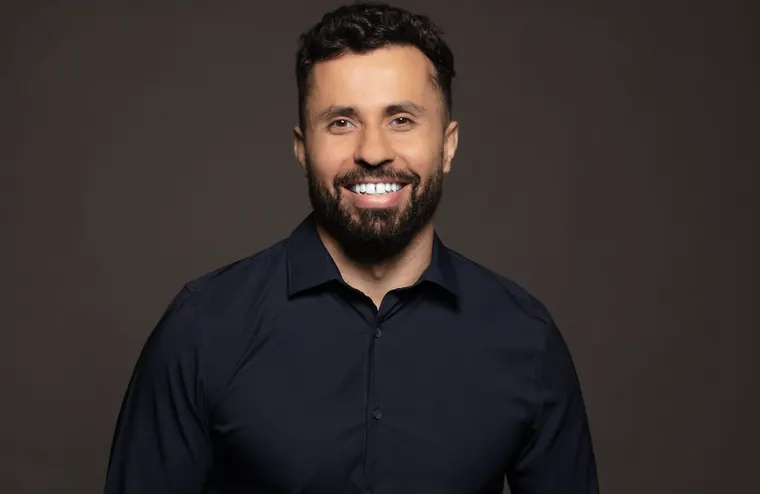
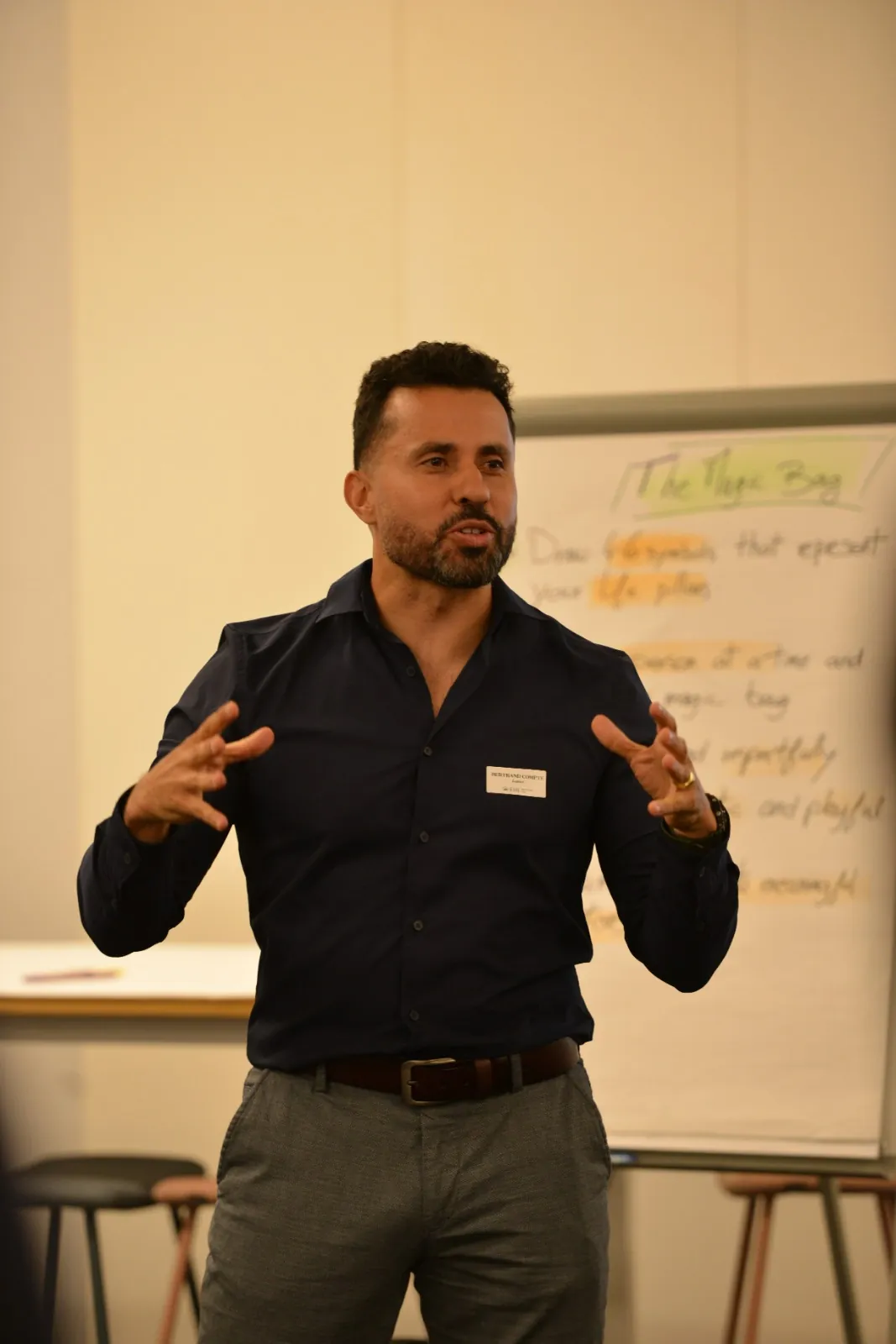
Bertrand COMTE is a consultant, trainer and actor based in Lausanne. Founder of VitaMind, he works in-company in Lausanne, Geneva and across French-speaking Switzerland with executives, B2B sales teams and corporate programmes, in English and French.
Discover his backgroundRead next
 Simulations
Salespeople hate role-play, often with good reason. What separates an awkward exercise from practice that changes real meetings.
 Simulations
A good product badly told loses to an average product well presented. How to write, deliver and rehearse your pitch.
 Simulations
An athlete does not discover the match on match day. Why managers gain from rehearsing their important conversations.