
Corporate simulations
Rehearse the conversations that matter.
A presentation to a committee, a management conversation or a client meeting can change direction in a matter of seconds.
VitaMind simulations let you rehearse those conversations and see how the other person reacts to your choices.
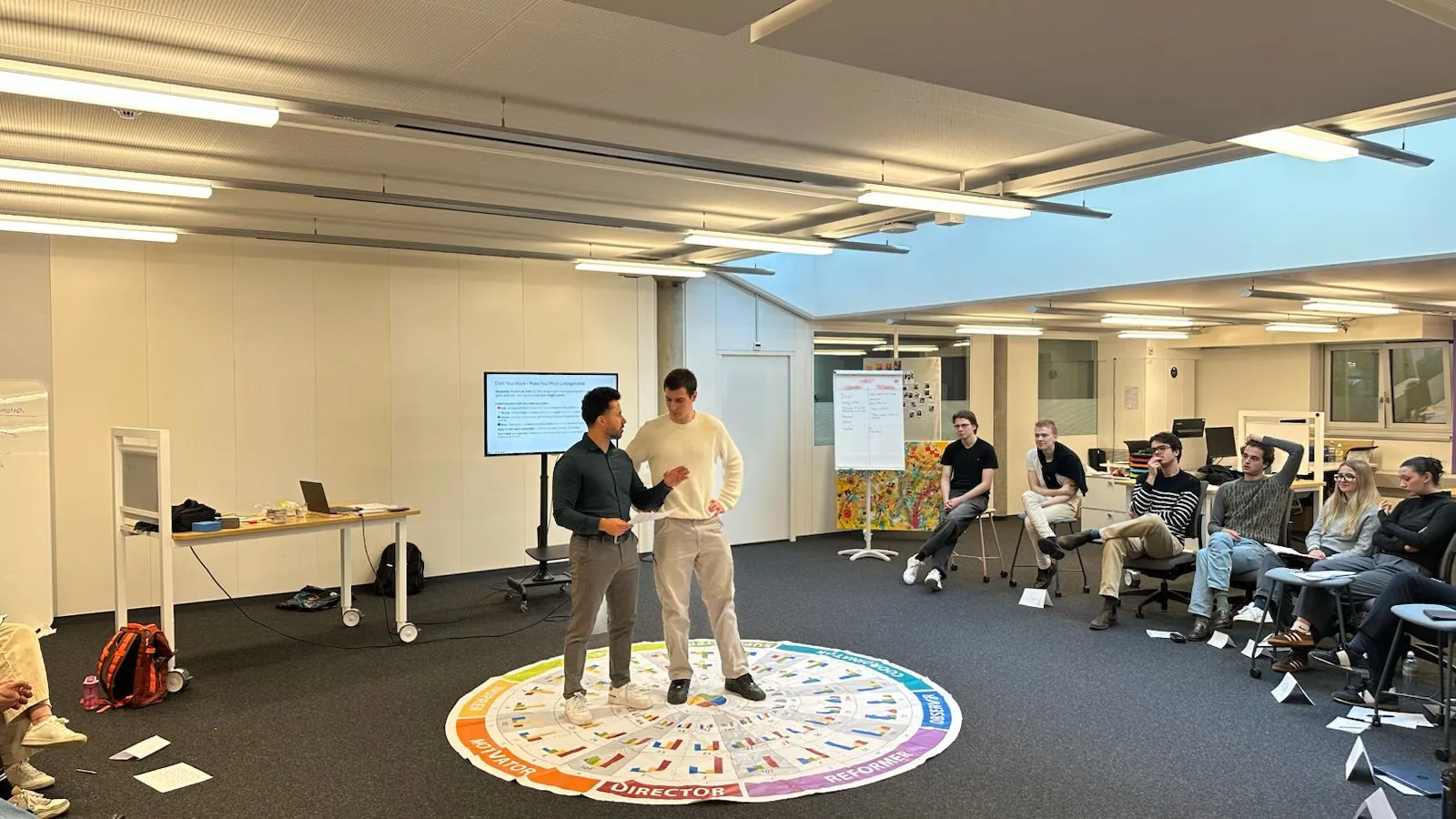
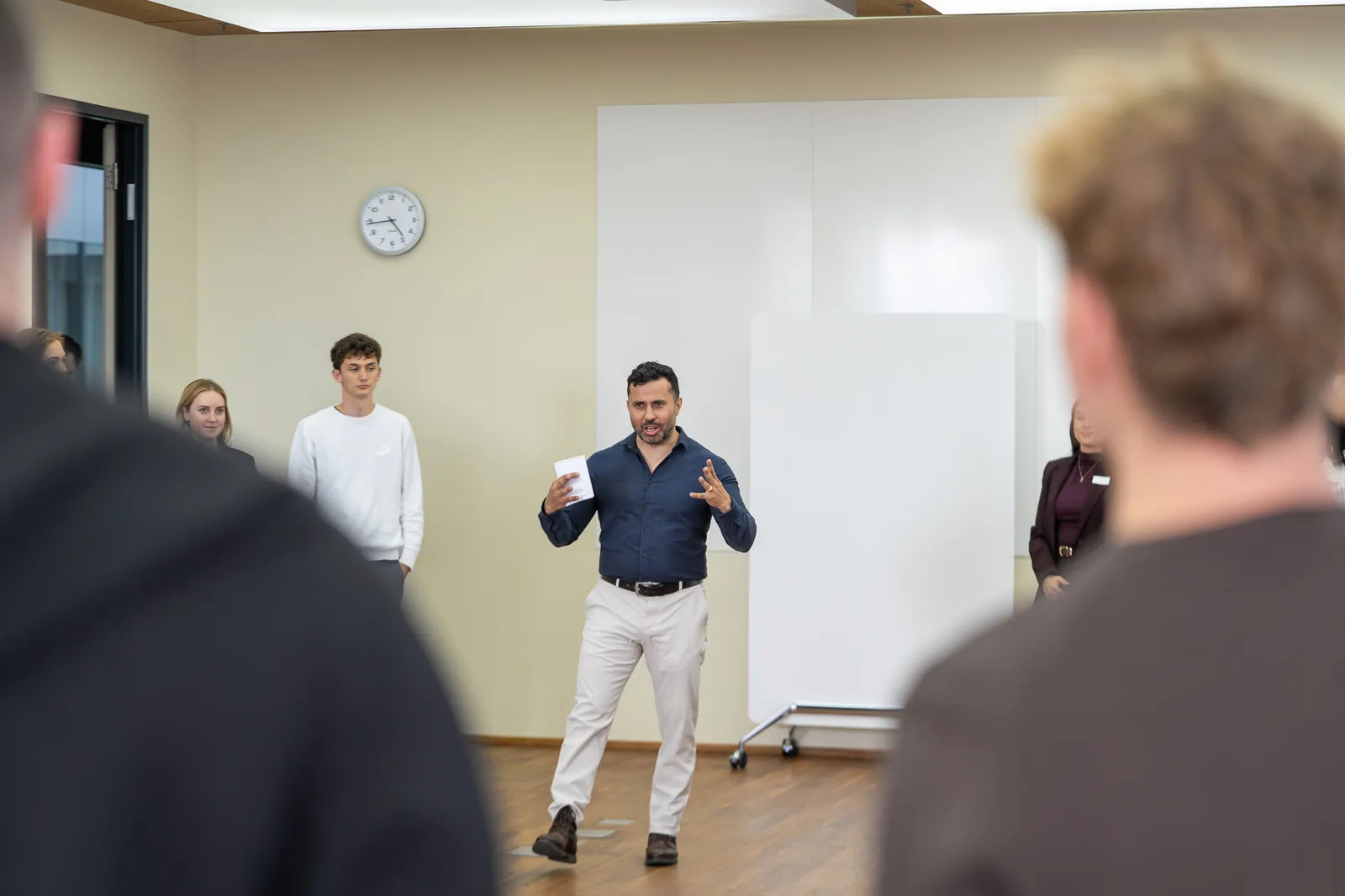


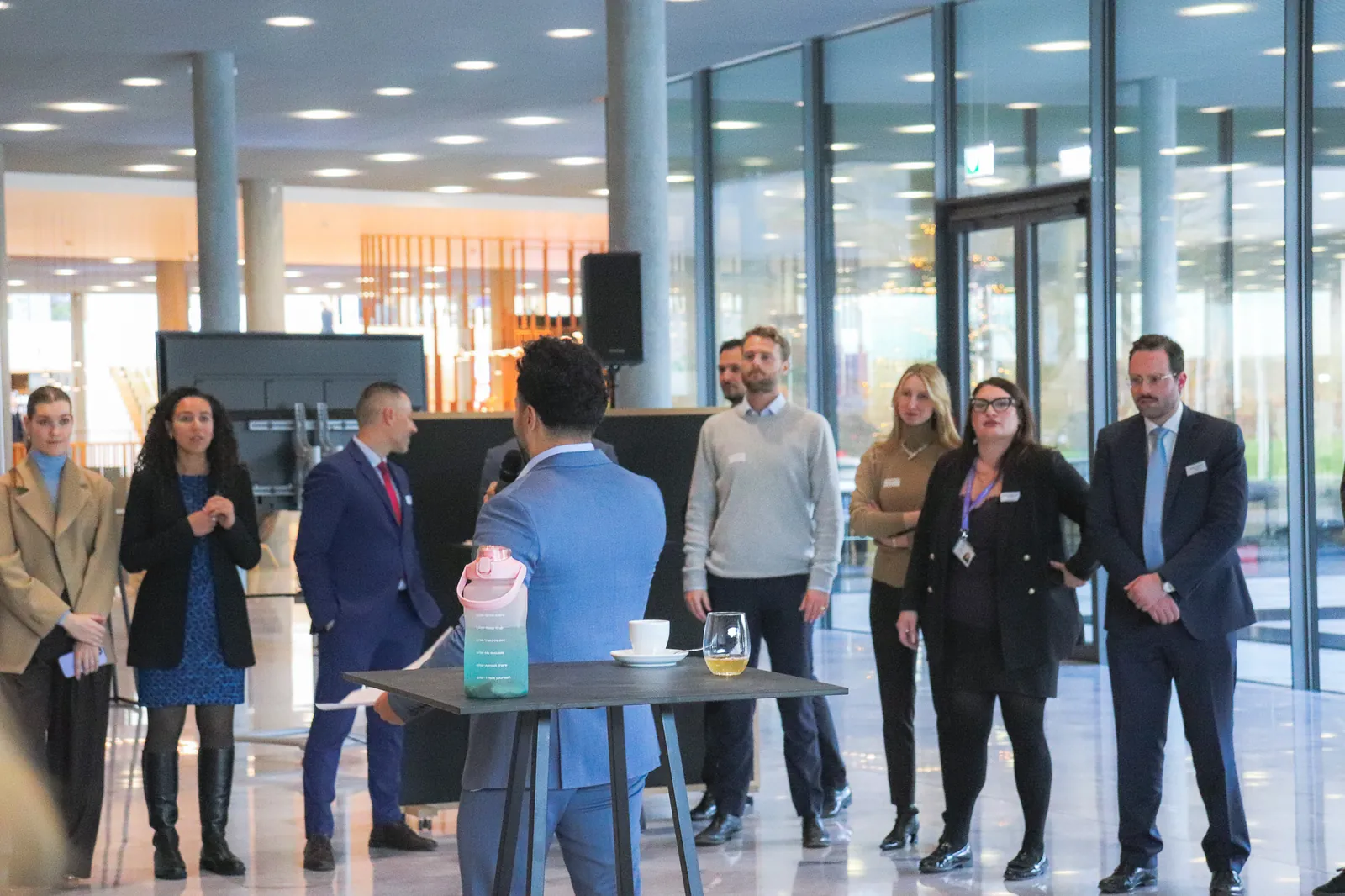
“When it came time to pitch, Bertrand helped us write the script, refine every detail, and rehearse multiple times.”
“Through concrete role-plays and targeted coaching, Bertrand helped me gain confidence and structure my answers better.”
Which situations can we work on?
Sales and client relations
Leading a discovery call, presenting an offer to a sceptical prospect or responding to an unhappy client.
Management and communication
Giving feedback, addressing a tension between colleagues or talking about overload with a team member.
Pitching and public speaking
Presenting a project to a committee, preparing a startup pitch or answering a partner’s tough questions.
How it works
How does a simulation work?
Act 1
You describe the situation
We define the context, the other person and what the participant wants to work on.
Act 2
I prepare and play the role
I build a scenario from your situation and react to what happens in the conversation.
Act 3
We debrief
We go back to one precise moment: a question that opened up the discussion, a message that stayed vague or a reaction that changed the course of the conversation.
Act 4
You replay the scene
You test a different approach and choose what you want to reuse at work.
Sales director, trainer and actor
A credible counterpart who reacts to what you say.
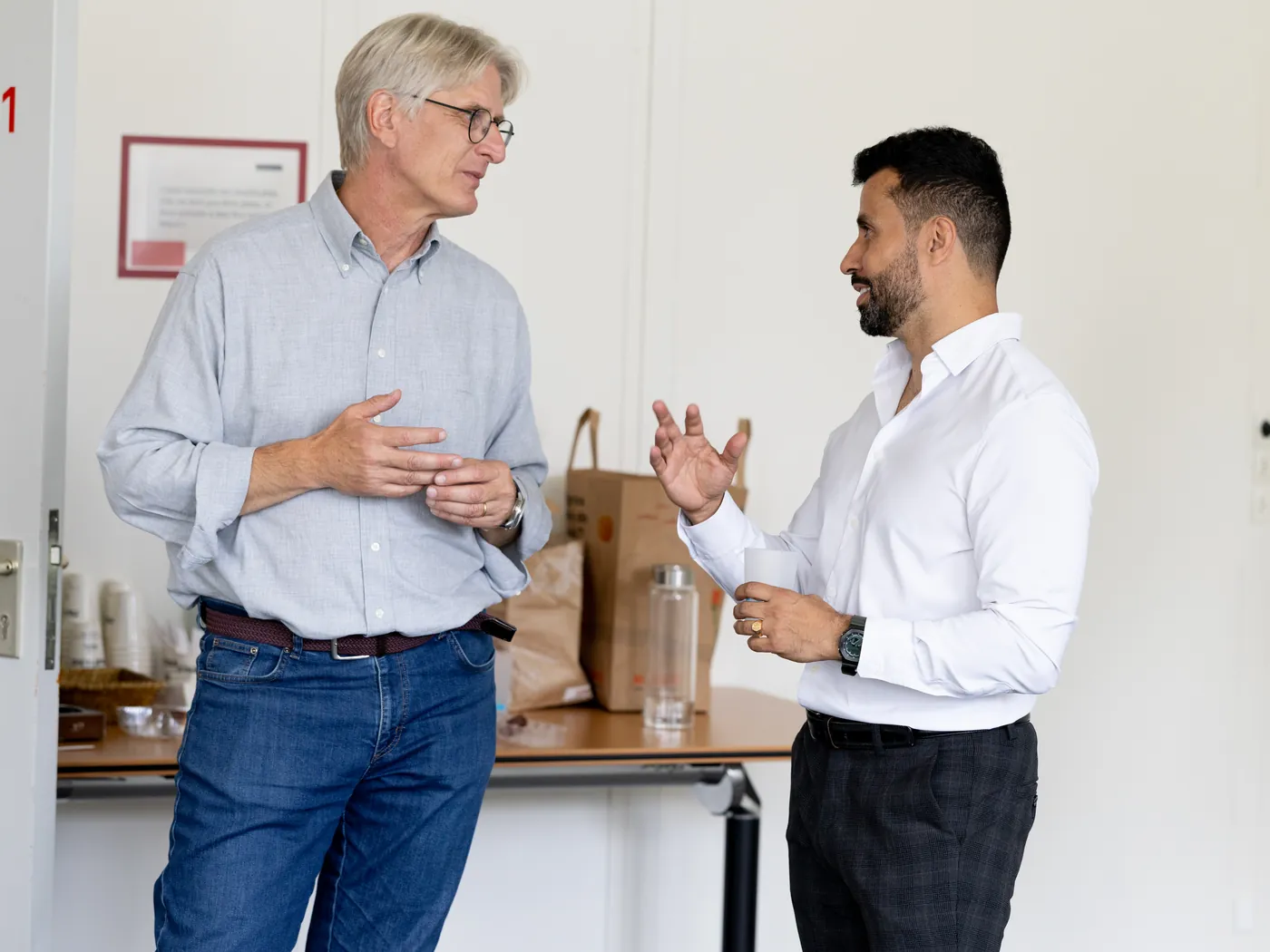
My experience as a sales director and trainer helps me understand what is at stake in the conversation.
My work as an actor lets me play a credible counterpart and let the scene evolve according to your reactions.
In action
We play the scene in front of the group, then we replay it.

Which conversation do you want to rehearse?
Performance starts with people.
Describe the situation in a few lines. In a first 30-minute call, we define the context, the other person and the format.