
Micro-breaks at work: what research says and how to introduce them
Ten minutes or less, several times a day. A meta-analysis measured what these breaks really change, and what they do not.
BlogUnder pressure
Eight hours sitting, then a workout on Saturday. What the WHO recommends, and how to slip movement into an already full day.

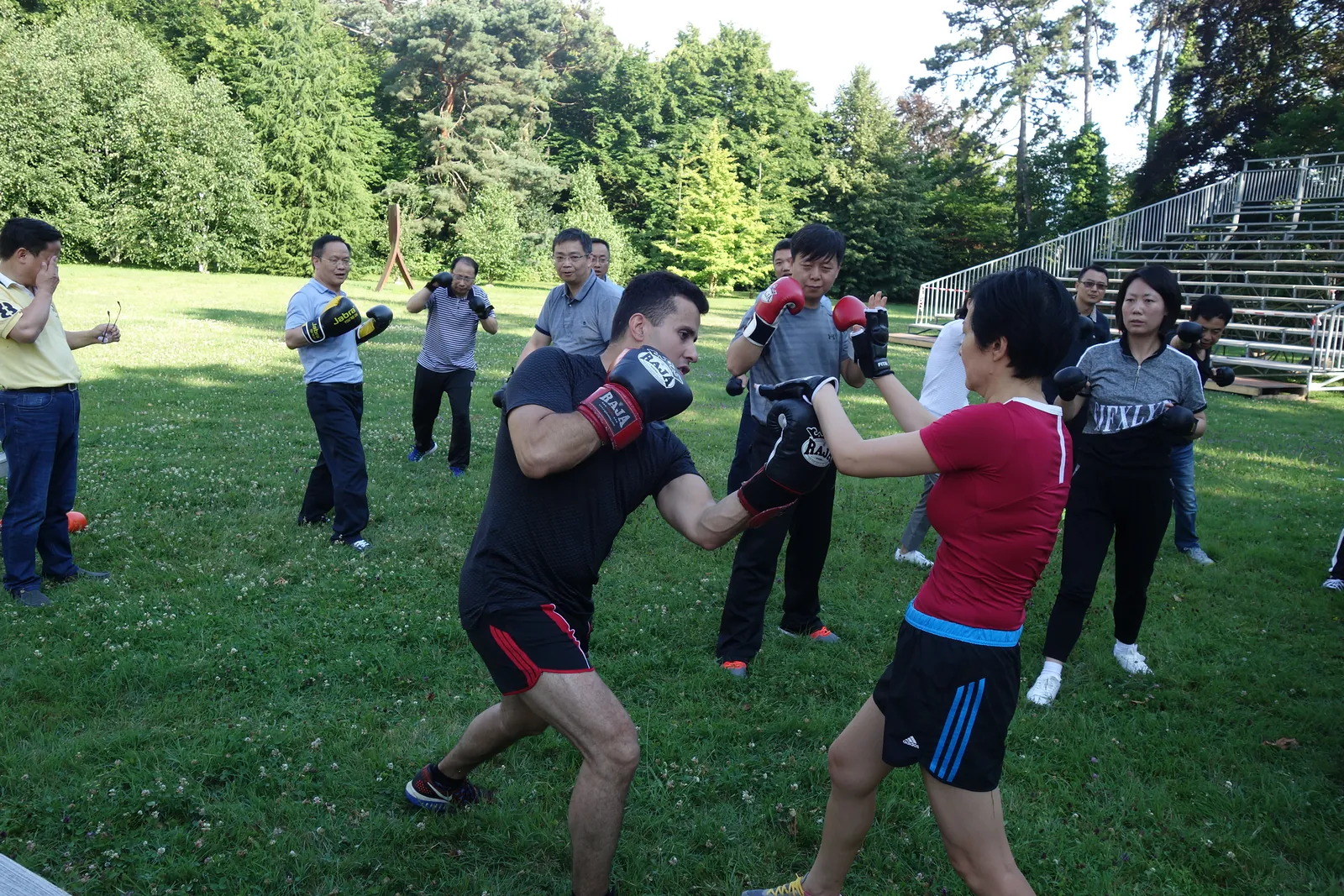
Moving more at work seems incompatible with a full diary. The day is spent sitting, from one meeting to the next, and physical activity is pushed back to the weekend. When the weekend comes, tiredness wins.
Bringing movement back into the day requires neither a gym nor special clothing. Above all it requires organisation, and a little collective permission.
In its guidelines published in 2020, the World Health Organization recommends that adults do 150 to 300 minutes of moderate-intensity activity each week, or 75 to 150 minutes of vigorous-intensity activity.
The WHO also recommends muscle-strengthening activities on at least two days a week.
The same guidelines call for reducing time spent sitting and replacing it with physical activity of any intensity.
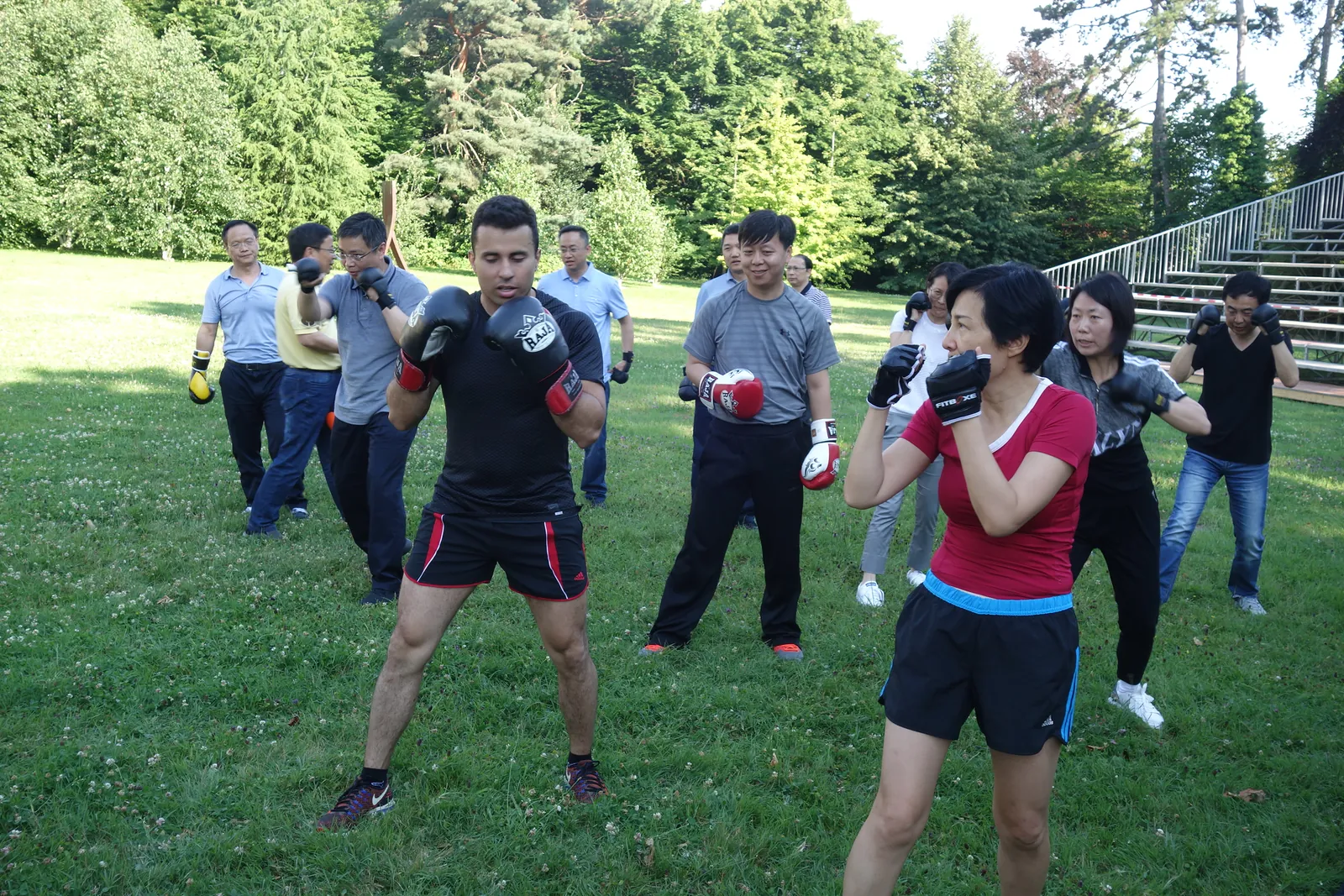
Get off one stop earlier, park further away, take the stairs. Nothing spectacular, but it is repeated every day.
A call without screen sharing can be taken standing or walking.
A weekly one-to-one lends itself very well to a twenty-minute walk.
Two minutes standing between two meetings is better than nothing.
If standing up in a meeting attracts looks, nobody will do it. Say it explicitly: here, you can.
A group challenge motivates some and excludes others. Let everyone choose their own way of moving.
One habit, kept for a month, rather than an ambitious programme abandoned in two weeks.
Movement during the day is one of the three topics I explore in Thriving under pressure, along with sleep and handling pressure. The masterclass lasts 60 minutes and is interactive.
My background as a sports coach and trainer lets me approach these topics in a very concrete way, indoors and outdoors. Explore the details of the session and book a 30-minute call.
Let’s talk about your situation.
A first 30-minute call to clarify your need and the format that would suit your team.
The author
Bertrand COMTE is a consultant, trainer and actor based in Lausanne. Founder of VitaMind, he works in-company in Lausanne, Geneva and across French-speaking Switzerland with executives, B2B sales teams and corporate programmes, in English and French.
Discover his backgroundRead next
 Under pressure
Ten minutes or less, several times a day. A meta-analysis measured what these breaks really change, and what they do not.
 Under pressure
The word is everywhere, its definition far less so. The three dimensions used by the WHO, and the exact role of a manager.
 Under pressure
Sleeping little still passes for a sign of commitment. What specialists recommend, and what your organisation can change.