
How to give difficult feedback to an employee
The feedback you have been putting off for weeks will not get any easier. A simple framework to open it and see it through.
BlogTeam
In some teams, people dare to say “I got it wrong”. In others, they stay silent. What research says, and what you can do from Monday.
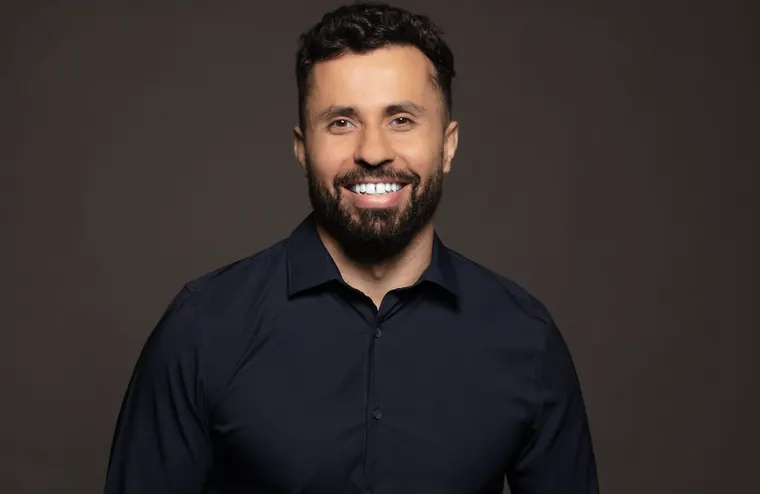
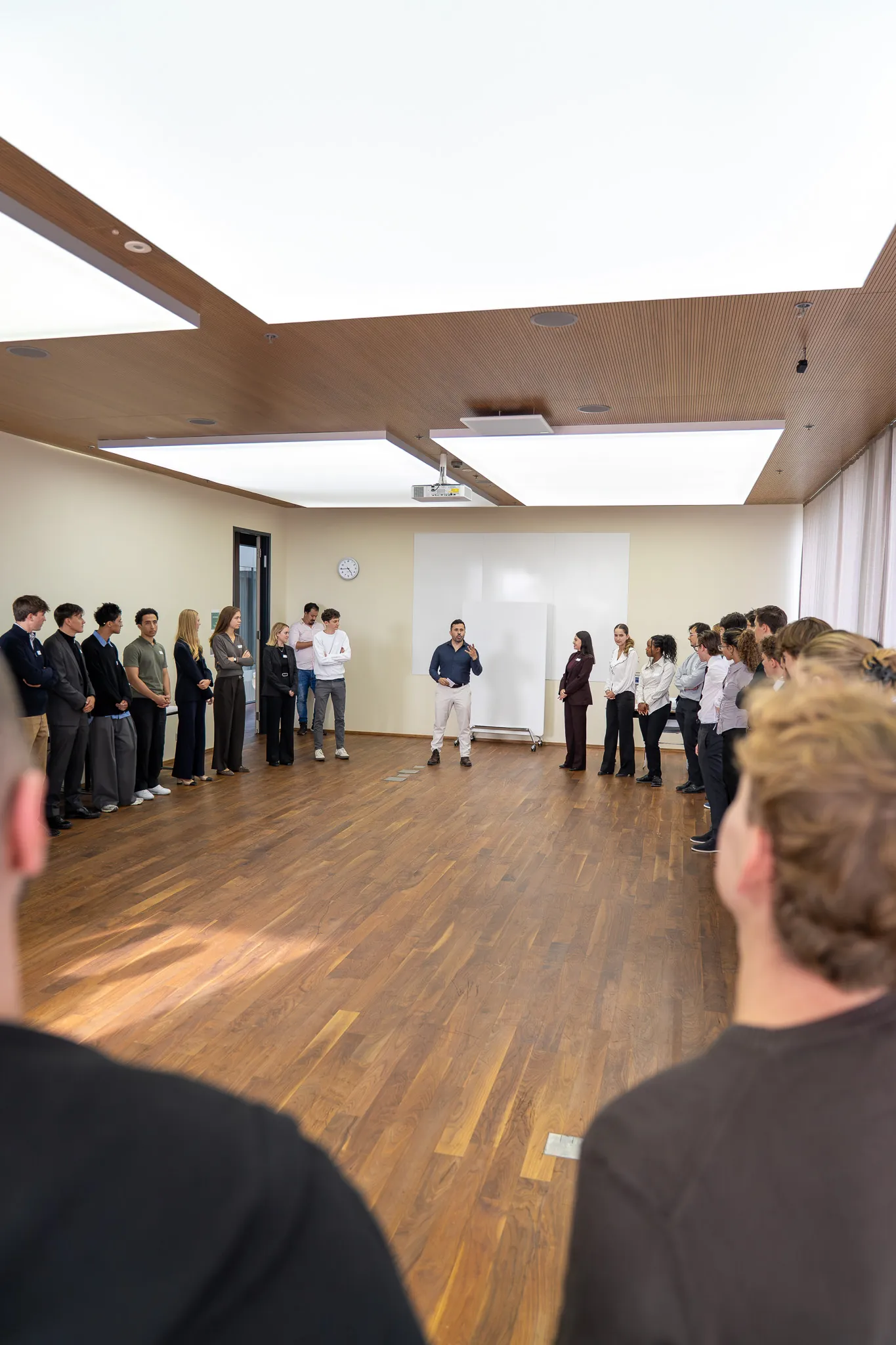
Psychological safety in teams can be spotted in one meeting. Someone asks a question everyone was wondering about. Someone else says “I got that figure wrong”. Nobody rolls their eyes, and the discussion moves on. In other teams, the same people stay silent and problems surface too late.
The term is everywhere. It is often confused with kindness or comfort. It is neither.
Amy Edmondson, a professor at Harvard, published a study in 1999 in the journal Administrative Science Quarterly, conducted with 51 work teams in a manufacturing company. In it she defines psychological safety as the shared belief, within a team, that the team is safe for interpersonal risk taking. Her study shows that this belief is associated with the team’s learning behaviour.
Google studied 180 of its teams in a project called Project Aristotle. The company drew five factors of effectiveness from it, and placed psychological safety first. This is an internal study of a single company, and should be read as such. It is nevertheless consistent with Edmondson’s work.
A team where nobody contradicts anybody is not safe. It is avoiding. Psychological safety exists precisely so that difficult things can be said.
You can aim high and allow errors that are flagged early. That is even what makes high standards sustainable.
“I misjudged that deadline. Here is what I take from it.” As long as the person in charge does not do it, nobody will.
“What am I not seeing?” or “Who sees it differently?” Then wait, without filling the silence.
Everything is decided when someone brings bad news. Thank them first. Deal with the problem afterwards. A sigh is enough to silence a team for months.
In many meetings, a few people take up almost all the speaking time. A quick round-table at the start of the session changes the dynamic.
Psychological safety plays out in a few specific conversations: delicate feedback, a disagreement voiced, an expectation restated. The Leading difficult conversations workshop lets your managers practise them: opening the conversation, listening without losing sight of the subject and agreeing on a next step.
I design these team development workshops from your day-to-day reality, in Lausanne and across French-speaking Switzerland. Book a 30-minute call to talk about it.
Let’s talk about your situation.
A first 30-minute call to clarify your need and the format that would suit your team.
The author
Bertrand COMTE is a consultant, trainer and actor based in Lausanne. Founder of VitaMind, he works in-company in Lausanne, Geneva and across French-speaking Switzerland with executives, B2B sales teams and corporate programmes, in English and French.
Discover his backgroundRead next
 Team
The feedback you have been putting off for weeks will not get any easier. A simple framework to open it and see it through.
 Team
Sales promises, production grumbles, everyone passes the buck. Where these tensions come from and how to get out of them.
 Team
Everyone nodded, and the decision was challenged in the corridor. How to say no in a meeting and still be listened to.