
Role-play in sales training: why replaying the scene changes everything
Salespeople hate role-play, often with good reason. What separates an awkward exercise from practice that changes real meetings.
BlogSimulations
“Words only count for 7%.” The phrase is everywhere, and it is wrong. What really makes a talk succeed.
Public speaking carries a stubborn legend: words supposedly account for only 7% of your message, tone for 38% and body language for 55%. You have probably heard it in a training course. It has an unfortunate consequence: it suggests that content hardly matters.
Before talking about method, let us put that figure back in its place.
They are drawn from two studies published in 1967 by the psychologist Albert Mehrabian. Those experiments dealt with a very particular case: how we perceive someone’s feelings when their words and their tone contradict each other.
Mehrabian has pointed out that these proportions apply only to the communication of feelings and attitudes. They do not hold for a presentation, a pitch or a meeting.
Your tone and attitude matter, especially if they contradict your words. But your content remains the reason people listen to you.
If your audience were to remember only one sentence, which would it be? Write it down before preparing a single visual.
The first seconds fix attention. Enter the subject through a situation, a question or a fact.
Know word for word how you finish. A hesitant ending erases a good talk.
Rereading your notes is not rehearsing. Say the whole text, in the posture of the day itself.
An outside eye spots what you cannot see: the passage that runs too long, the verbal tic, the moment attention drops.
The most dreaded moment is not the talk, it is the questions. Have the hardest ones put to you beforehand.
The first rehearsal is for discovering the problems. The following ones are for fixing them.
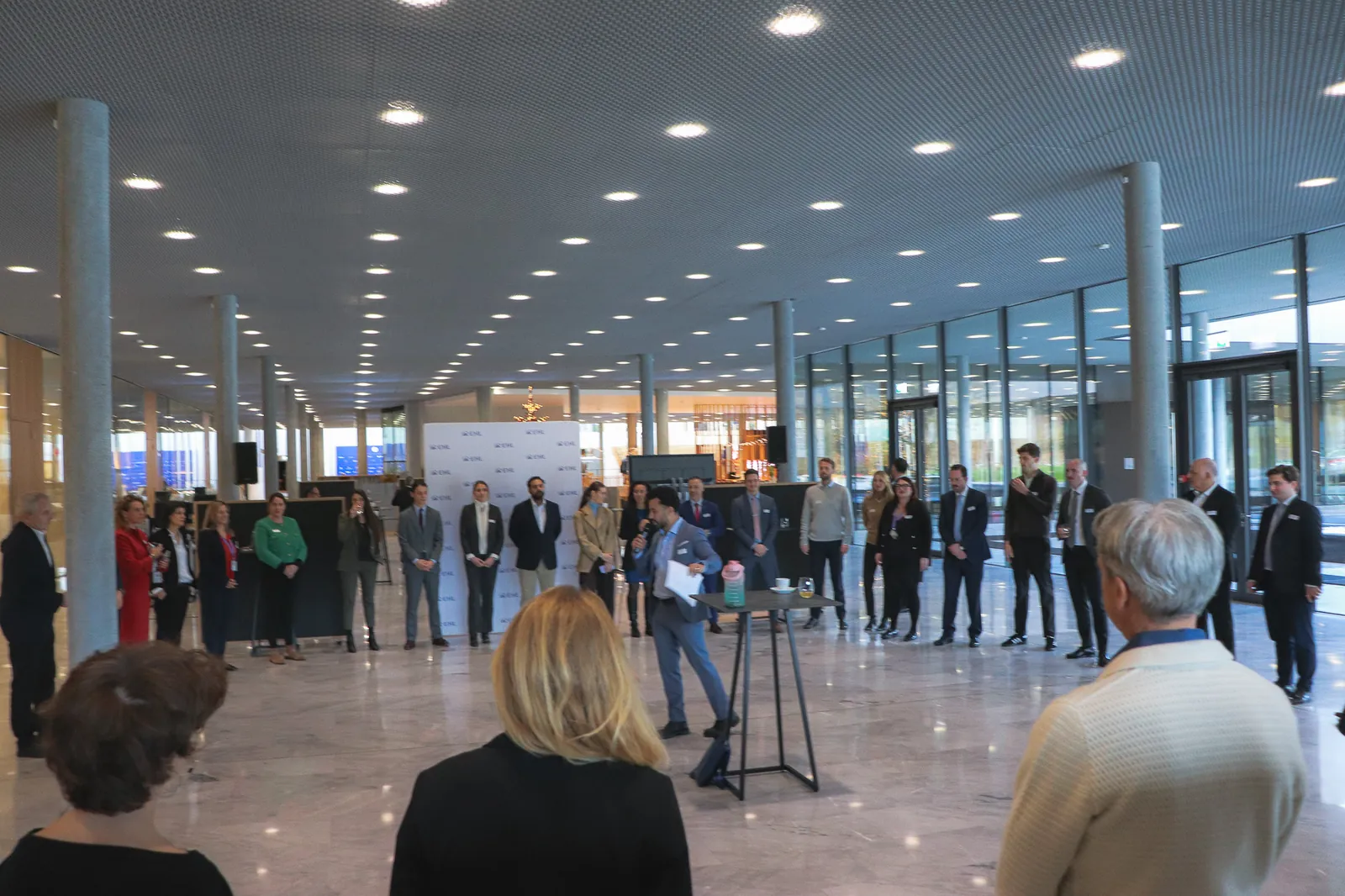
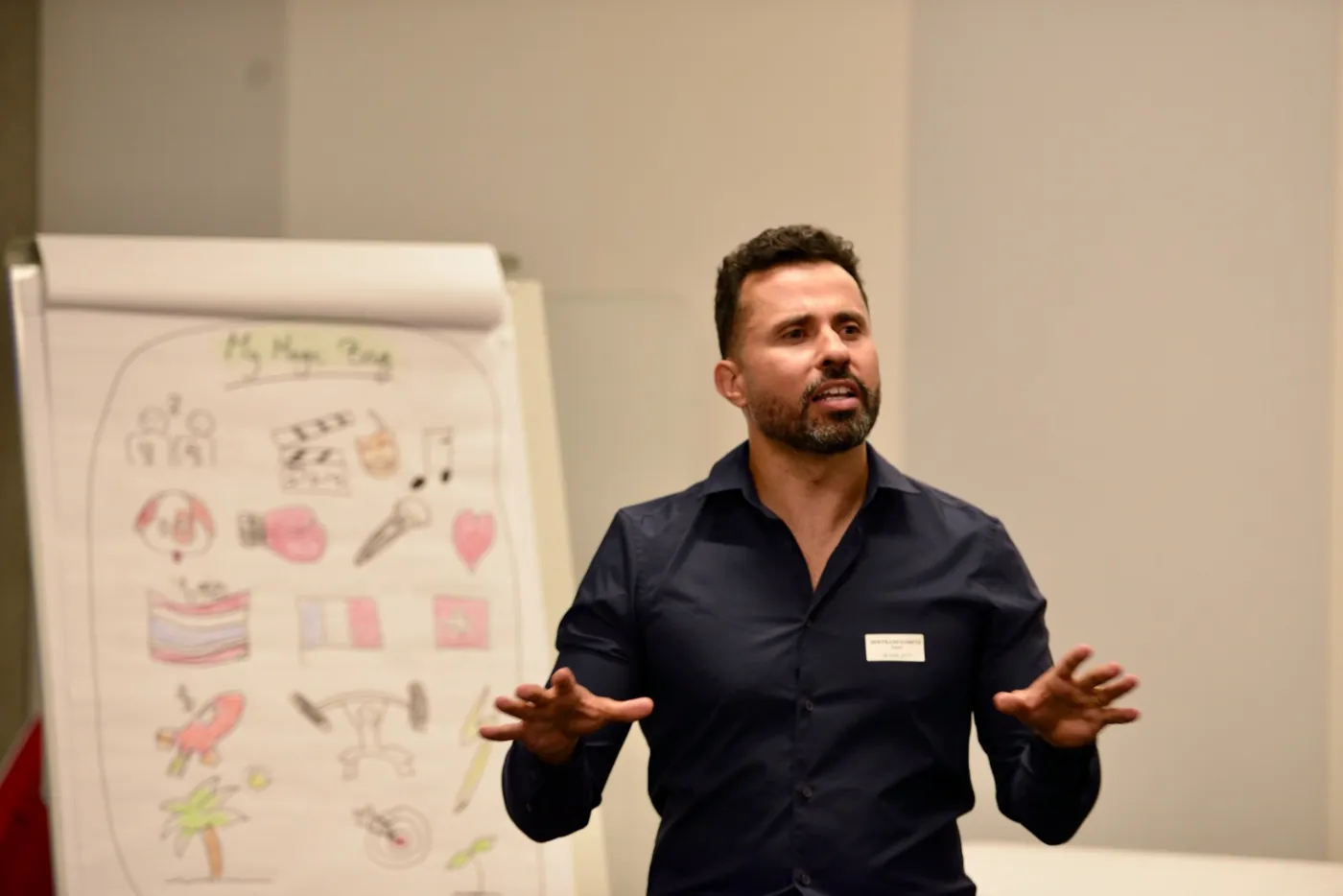
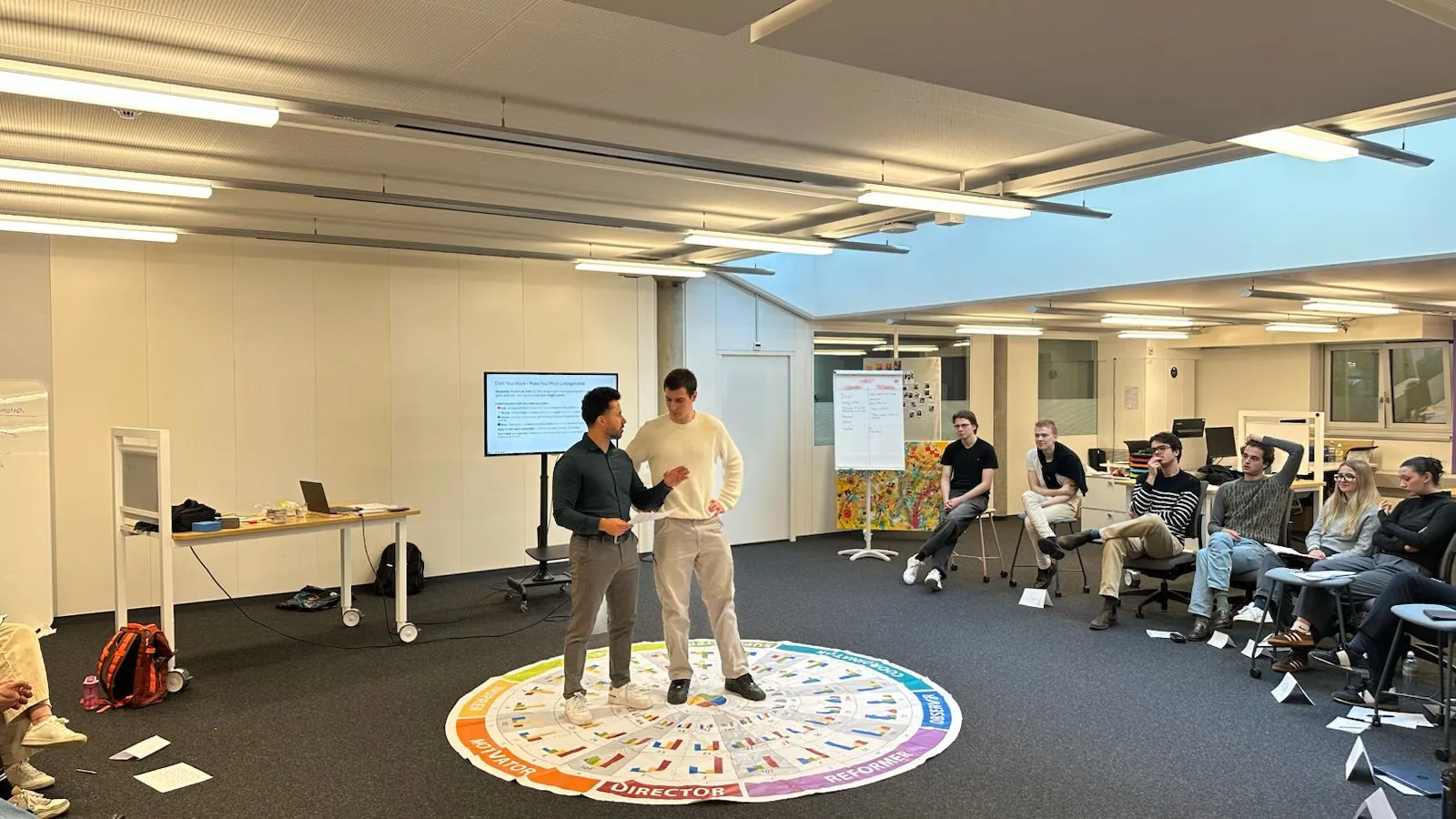
In a corporate simulation, you deliver your talk in conditions close to reality. I play your audience, including the sceptical person at the back of the room, we debrief one precise moment, then you start again.
As an actor and trainer, I support executives, teams and entrepreneurs before a pitch or a high-stakes presentation, in English and French. Explore the simulations and book a 30-minute call.
Let’s talk about your situation.
A first 30-minute call to clarify your need and the format that would suit your team.
The author
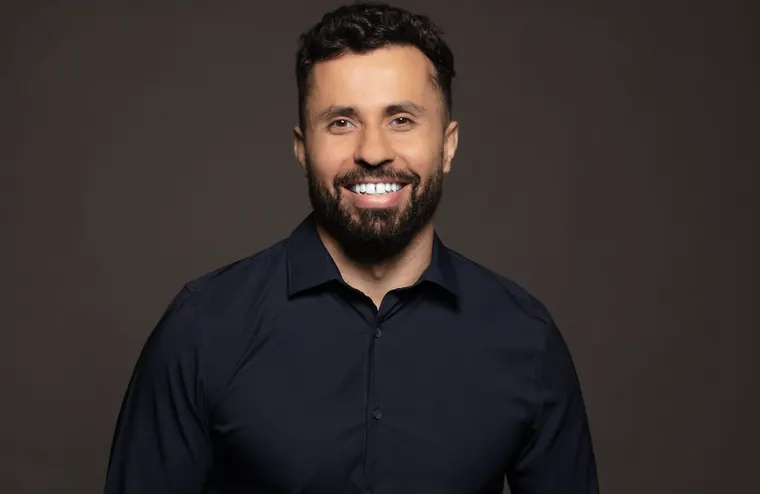
Bertrand COMTE is a consultant, trainer and actor based in Lausanne. Founder of VitaMind, he works in-company in Lausanne, Geneva and across French-speaking Switzerland with executives, B2B sales teams and corporate programmes, in English and French.
Discover his backgroundRead next
 Simulations
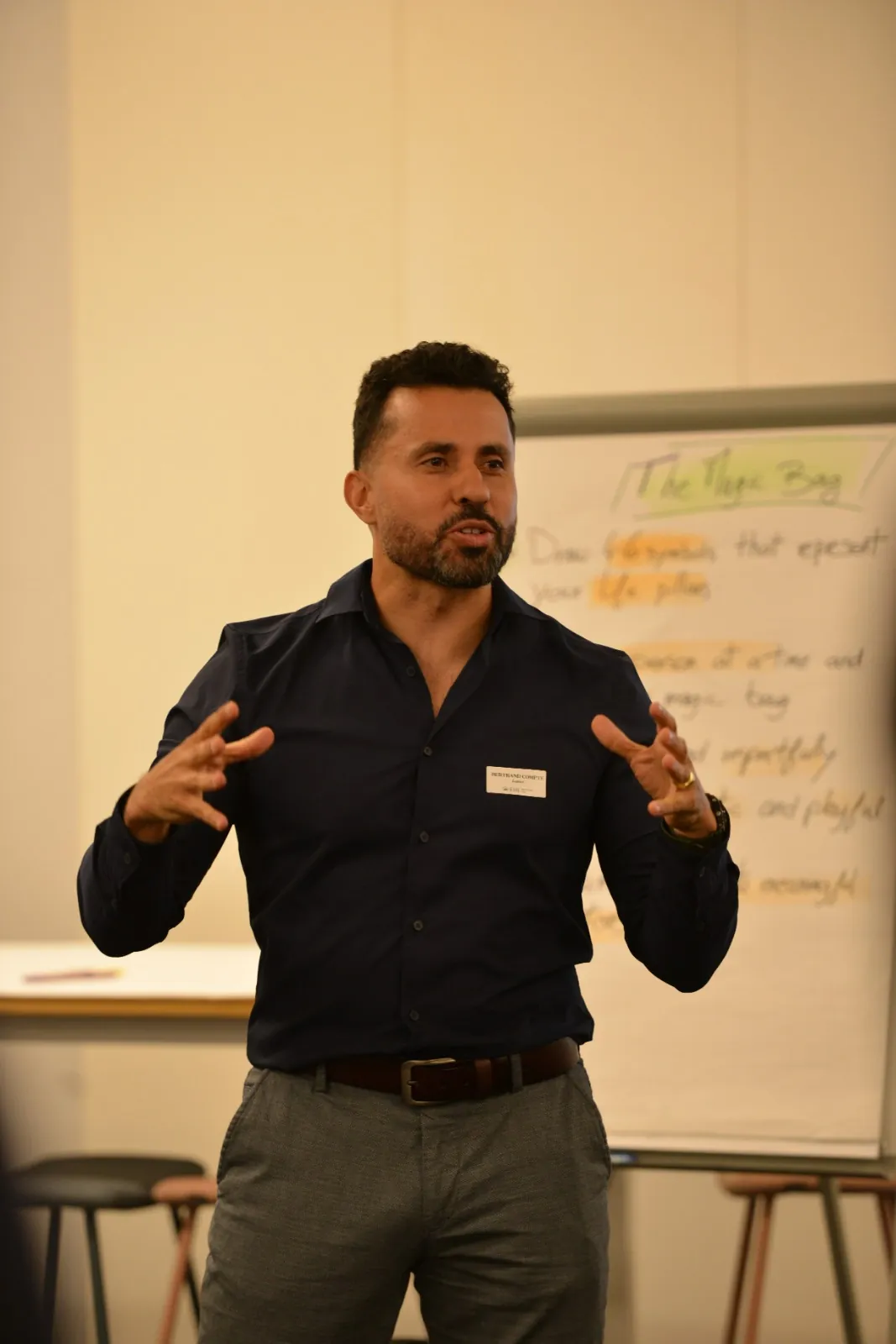
Salespeople hate role-play, often with good reason. What separates an awkward exercise from practice that changes real meetings.
 Simulations
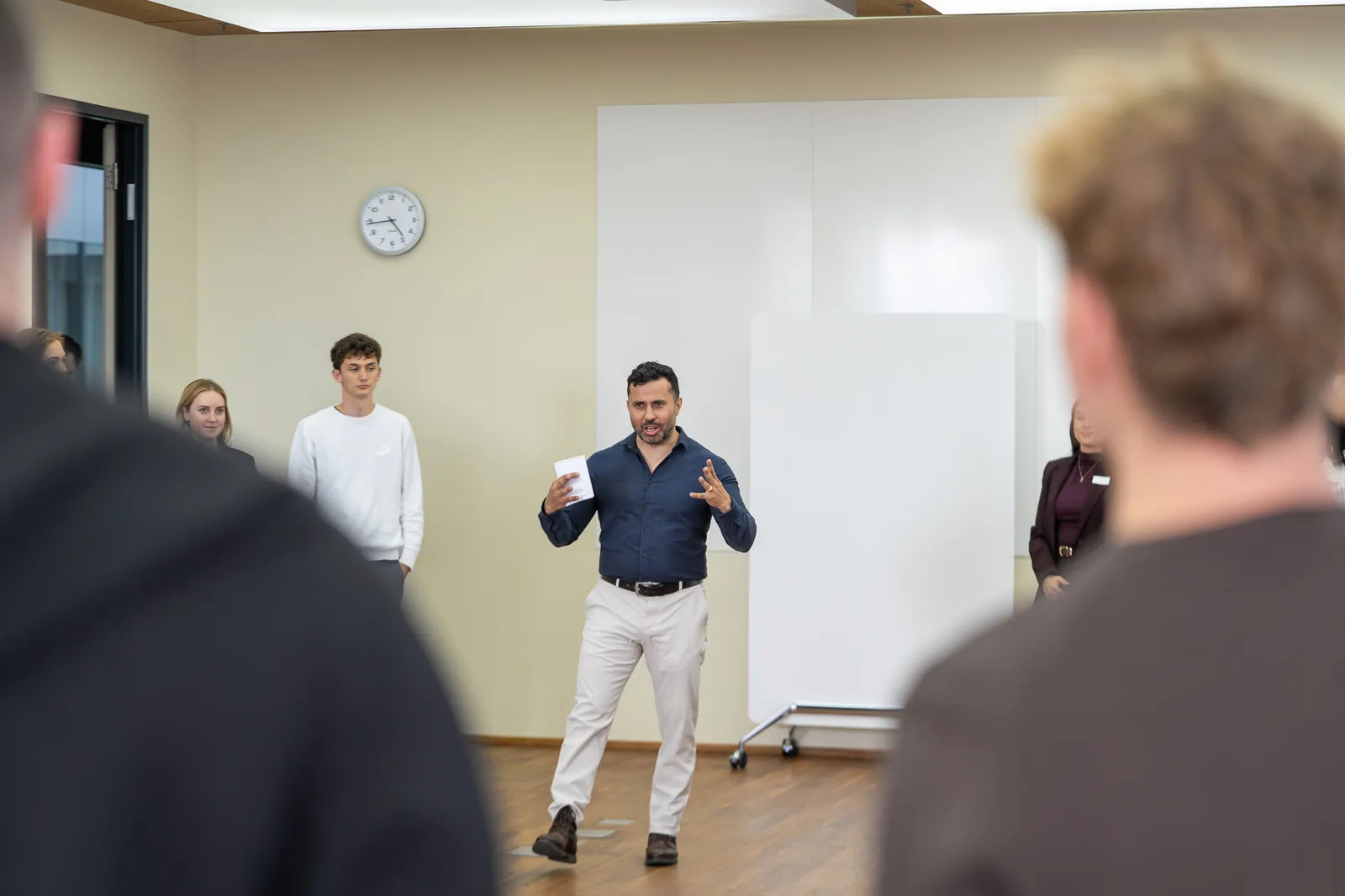
A good product badly told loses to an average product well presented. How to write, deliver and rehearse your pitch.
 Simulations
An athlete does not discover the match on match day. Why managers gain from rehearsing their important conversations.