
Micro-breaks at work: what research says and how to introduce them
Ten minutes or less, several times a day. A meta-analysis measured what these breaks really change, and what they do not.
BlogUnder pressure
Sleeping little still passes for a sign of commitment. What specialists recommend, and what your organisation can change.


Sleep and performance at work: the subject makes people uncomfortable in companies. Sleep is a private matter, the thinking goes, and a manager has no business interfering. True. But the way work is organised weighs directly on your people’s nights. And that does concern you.
Sleeping little is still presented as a sign of commitment. Specialists say otherwise.
The American Academy of Sleep Medicine and the Sleep Research Society published a joint recommendation in 2015: adults should sleep seven or more hours per night on a regular basis to promote optimal health.
Restorative sleep is one of the six pillars of lifestyle medicine, alongside nutrition, physical activity, stress management, social connection and avoidance of risky substances.
Tasks that require vigilance are the first affected. Lapses of attention multiply.
After a bad night, patience shrinks. Delicate conversations become riskier.
You decide faster, and not always better. Postponing an important decision until the next day is sometimes the most professional choice.
A message sent at 10 pm may not require an answer. Your team member, however, thinks about it until morning.
A meeting at 7.30 am or 6.30 pm shortens someone’s night, especially with a commute.
When everything is urgent, nobody really switches off in the evening.
For example: no reply expected outside working hours, unless there is a phone call. The rule is discussed as a team and written down.
Most messaging tools let you schedule a message for the next morning. It takes two seconds.
The team’s habits follow those of its leader far more than any charter.
In the Thriving under pressure masterclass, which lasts 60 minutes, I explore three concrete topics for work: sleep and recovery, movement during the day and handling pressure. It is based on the six pillars of lifestyle medicine.
It suits an off-site, a team day or an internal event. Explore the masterclass programme and book a 30-minute call.
Let’s talk about your situation.
A first 30-minute call to clarify your need and the format that would suit your team.
The author
Bertrand COMTE is a consultant, trainer and actor based in Lausanne. Founder of VitaMind, he works in-company in Lausanne, Geneva and across French-speaking Switzerland with executives, B2B sales teams and corporate programmes, in English and French.
Discover his backgroundRead next
 Under pressure
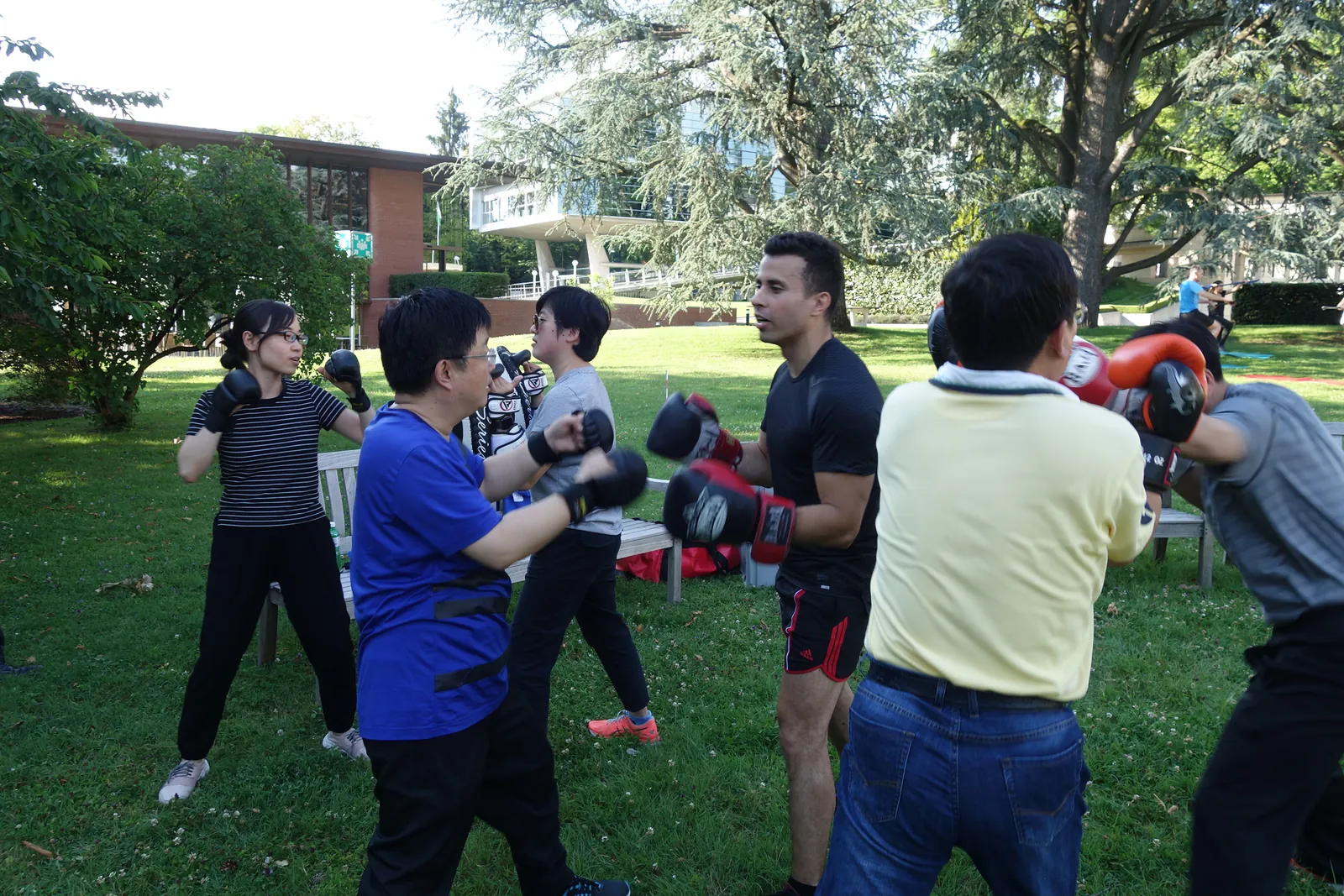
Ten minutes or less, several times a day. A meta-analysis measured what these breaks really change, and what they do not.
 Under pressure
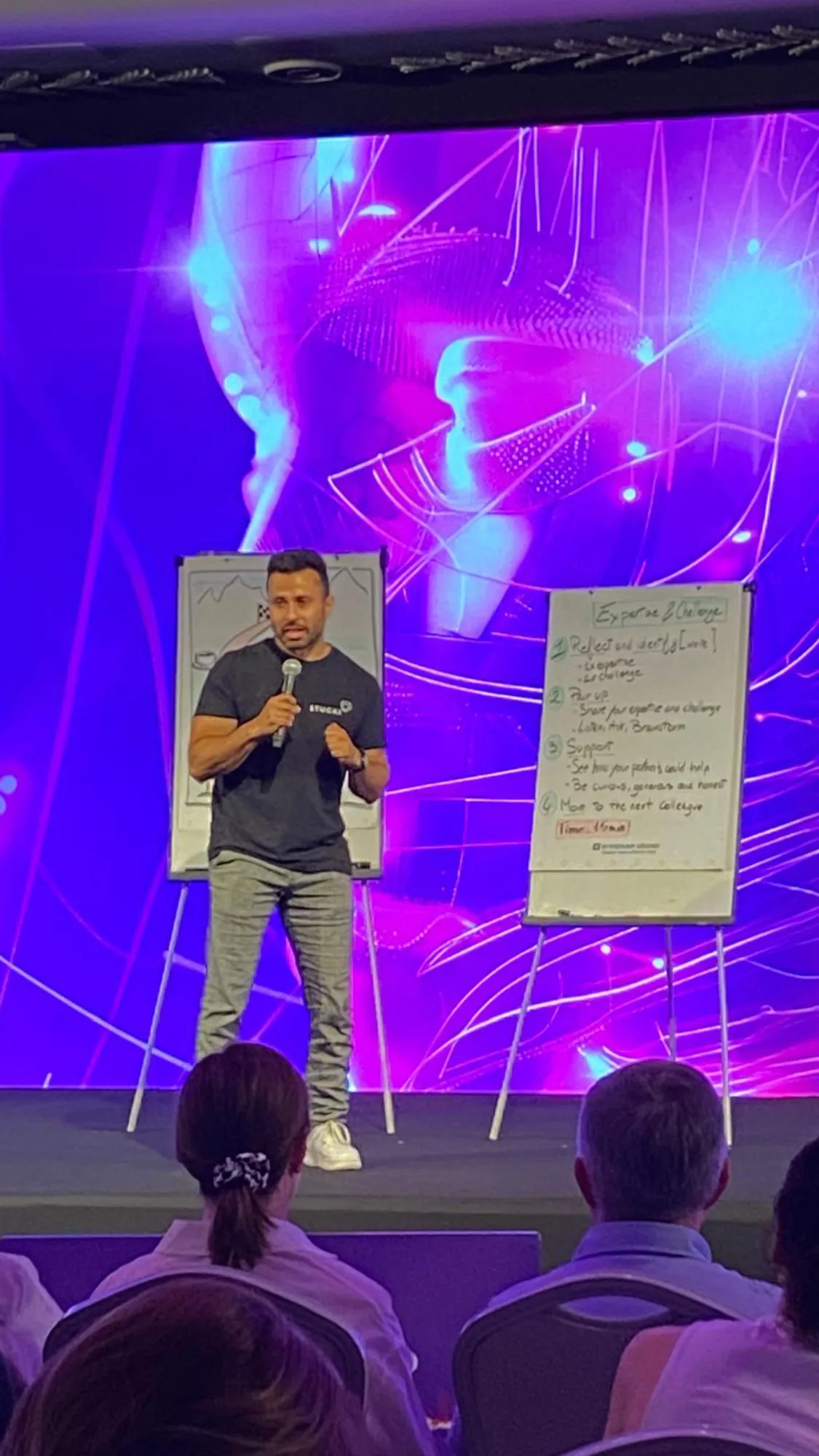
The word is everywhere, its definition far less so. The three dimensions used by the WHO, and the exact role of a manager.
 Under pressure
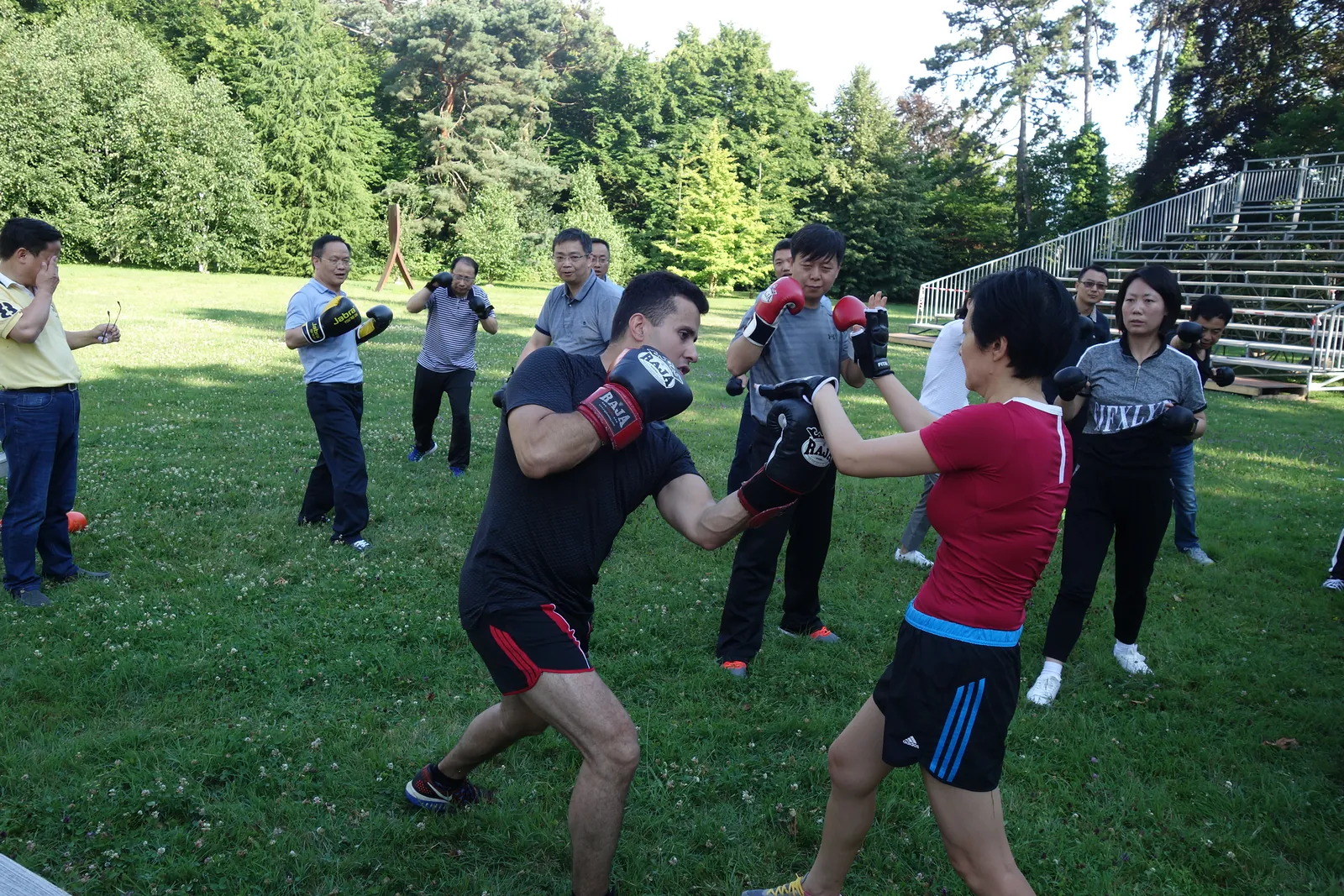
Eight hours sitting, then a workout on Saturday. What the WHO recommends, and how to slip movement into an already full day.