
Micro-breaks at work: what research says and how to introduce them
Ten minutes or less, several times a day. A meta-analysis measured what these breaks really change, and what they do not.
BlogUnder pressure
Demands on one side, resources on the other: stress plays out in that balance. What a manager can really change.

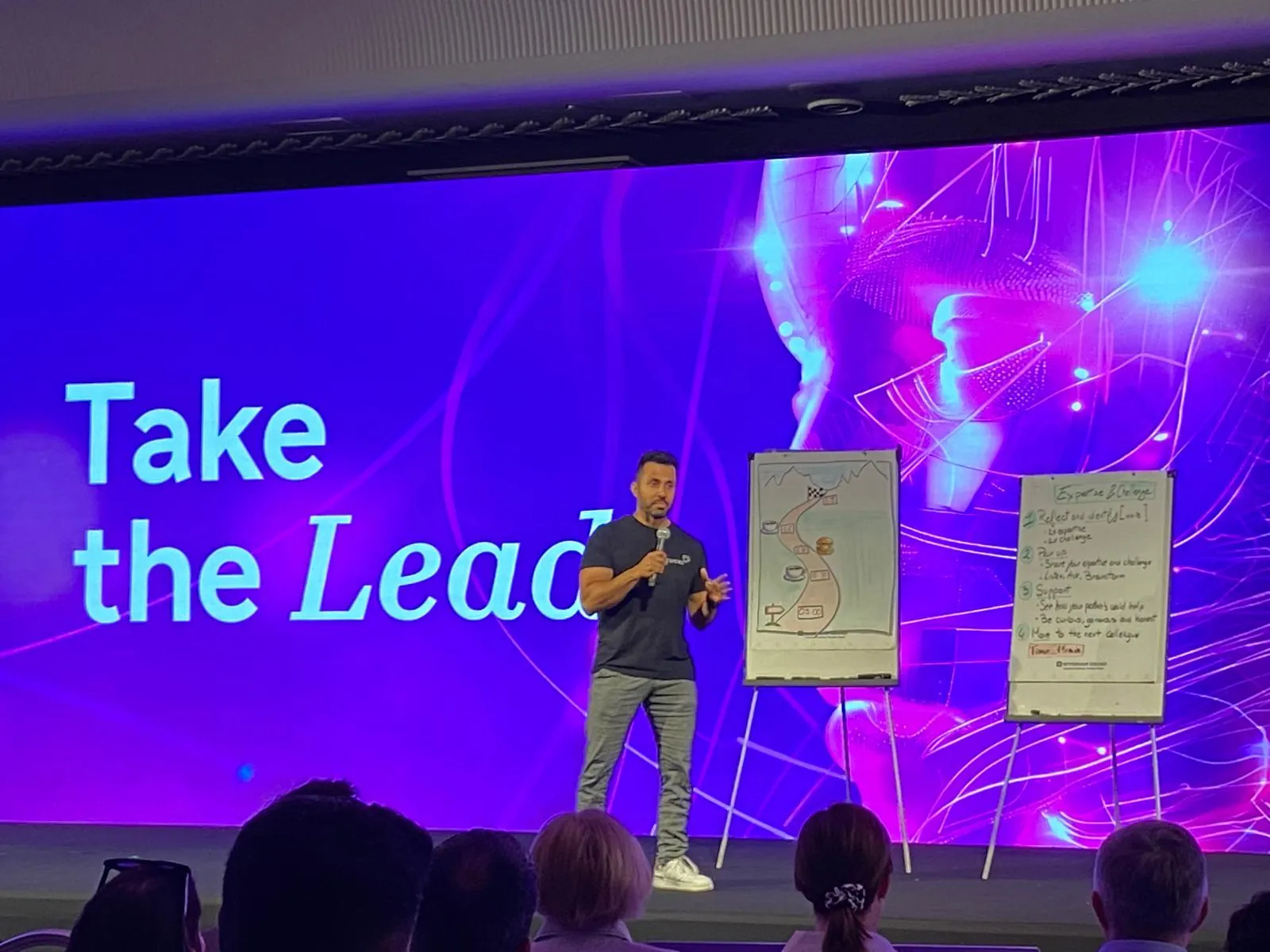
Work stress in Switzerland comes up in almost every executive committee, often through the door of absences. According to the Job Stress Index by Health Promotion Switzerland (2022 survey), 28.2% of working people are in the critical zone, where demands clearly exceed resources.
That figure has one merit: it shifts the question. Stress is not first and foremost a matter of individual fragility. It is a ratio between what is asked of a person and what they have to respond with. And on that ratio, managers have far more control than they think.
Time pressure, interruptions, uncertainty, unclear organisation. They exist everywhere and will not disappear.
Room for manoeuvre, recognition, support from the manager, meaning in the task. These are what make it possible to absorb intense periods. A team under heavy demand and well supported holds. A team under demand and left alone burns out.
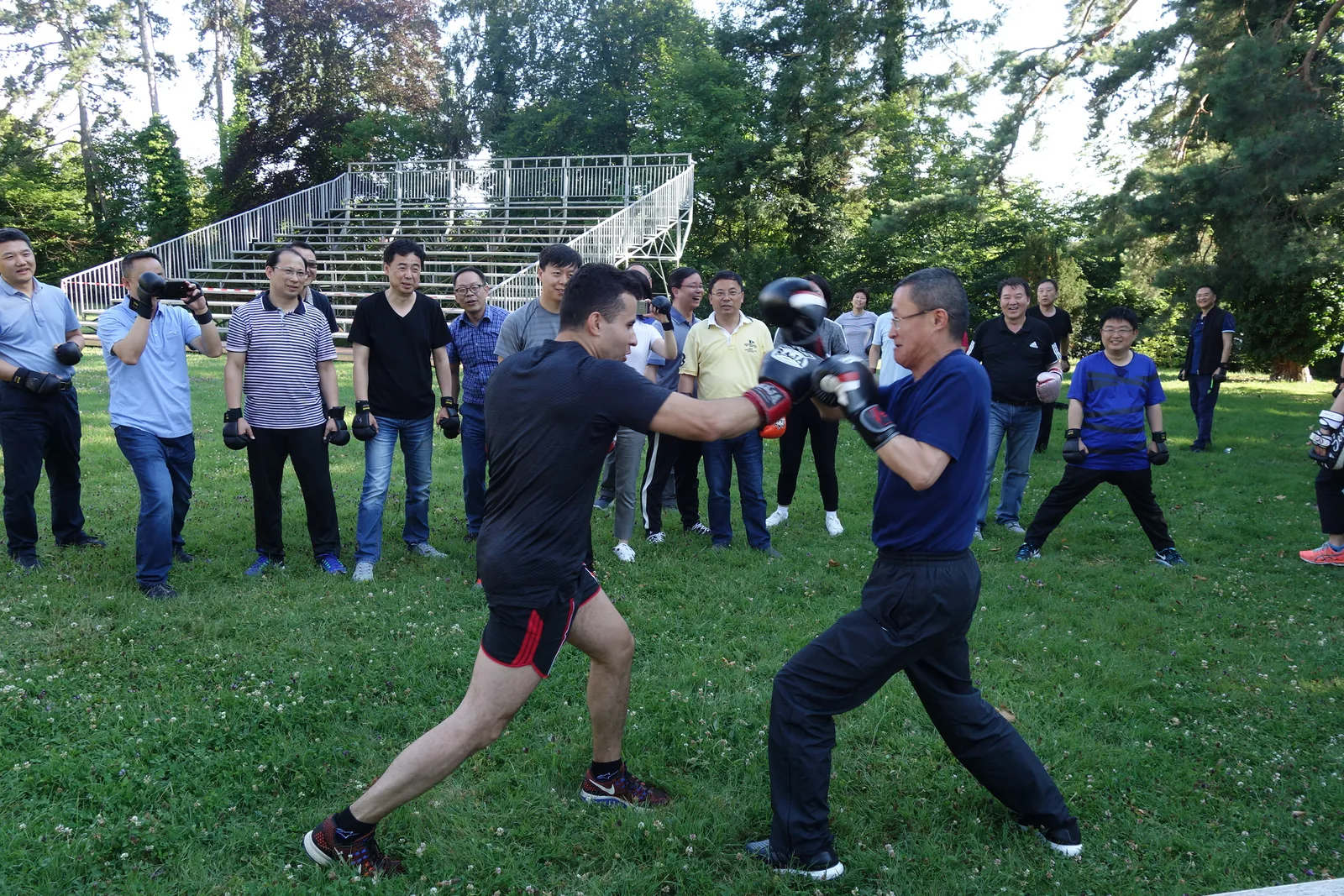
Someone talkative who goes quiet. Someone reliable who delivers late. Emails sent later and later in the evening. It is not a diagnosis. It is a reason to open the conversation.
One becomes sharp, another scatters, a third withdraws. The Insights Discovery colours help you read those reactions.
When everything is urgent, nothing is. Saying clearly what can wait is one of the most protective things you can do.
Let people choose the order, the method, the moment. Autonomy is a powerful and free resource.
Not only when someone cracks. One simple question in every one-to-one: “How is your workload at the moment?” And know what to answer when a team member says they are overloaded.
A manager who writes at midnight and never takes a break makes any talk about balance impossible to hear.
Plant-predominant nutrition, physical activity, restorative sleep, stress management, social connection, avoidance of risky substances. They reinforce one another: sleeping badly makes pressure harder to handle, and vice versa.
Nobody changes everything in a week. Choosing a single realistic habit and testing it is enough to start.
The Thriving under pressure masterclass lasts 60 minutes and covers sleep and recovery, movement during the day and handling pressure. In the 2-hour workshop version, your managers practise recognising an overload situation and revisiting priorities with their team members.
Book a first 30-minute call to choose the masterclass or workshop format that suits your off-site or your managers.
Let’s talk about your situation.
A first 30-minute call to clarify your need and the format that would suit your team.
The author
Bertrand COMTE is a consultant, trainer and actor based in Lausanne. Founder of VitaMind, he works in-company in Lausanne, Geneva and across French-speaking Switzerland with executives, B2B sales teams and corporate programmes, in English and French.
Discover his backgroundRead next
 Under pressure
Ten minutes or less, several times a day. A meta-analysis measured what these breaks really change, and what they do not.
 Under pressure
The word is everywhere, its definition far less so. The three dimensions used by the WHO, and the exact role of a manager.
 Under pressure
Sleeping little still passes for a sign of commitment. What specialists recommend, and what your organisation can change.