
Insights Discovery profile: what it contains and how to read it
A questionnaire of 25 sets of words, then a profile of several pages. What it really contains, and the right way to read it.
BlogInsights Discovery
A Swiss psychiatrist, a book published in 1921, a Scottish company founded in 1993. The short history of a model your teams may already use.
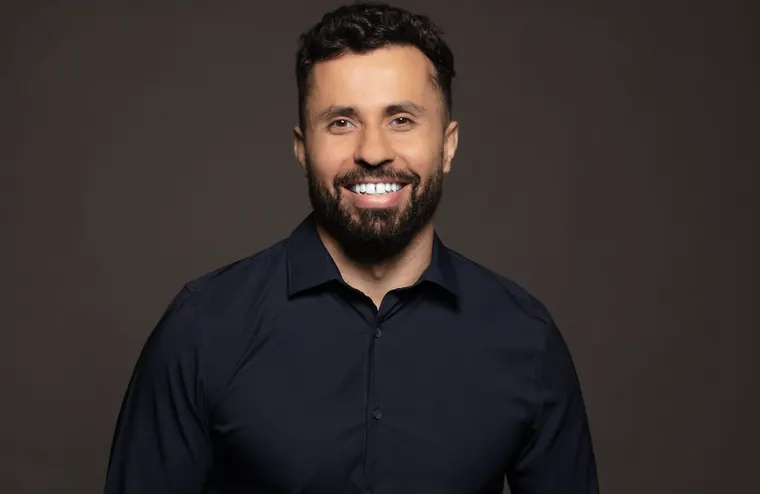
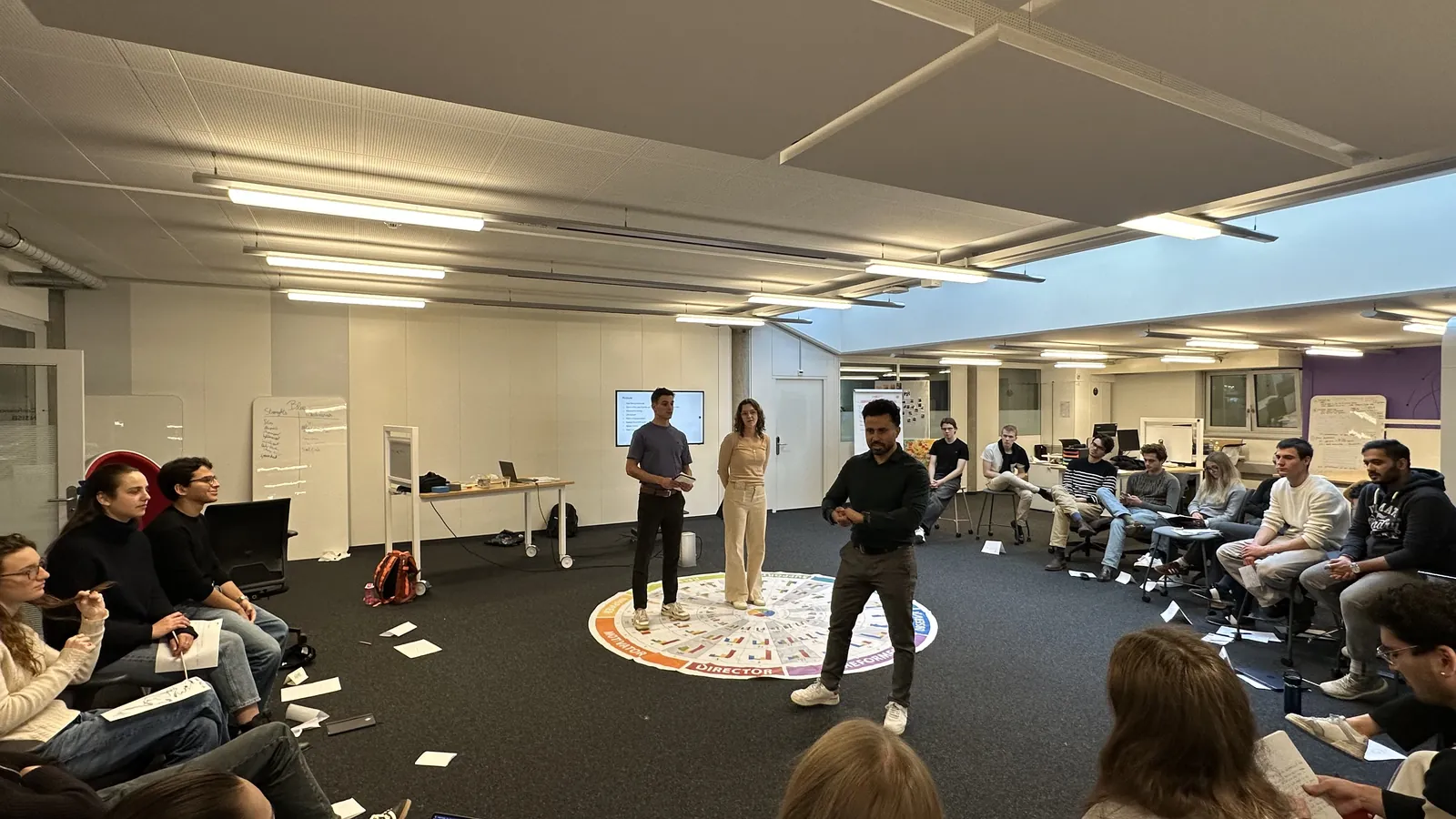
Insights Discovery and Jung: the link often surprises participants. They expect a recent management tool, and discover that the 4-colour model rests on the work of a Swiss psychiatrist published more than a century ago.
Knowing this origin is not a detail for insiders. It explains what the model can do, and what it does not claim to do.
Carl Gustav Jung, a Swiss psychiatrist, published his work on psychological types in 1921. In it he describes preferences that distinguish people in the way they perceive the world and make decisions.
Jung distinguishes two attitudes, introversion and extraversion. He then describes two functions he calls rational, Thinking and Feeling, and two functions he calls irrational, Sensation and Intuition. In his view, what makes a person unique lies in the balance between these elements.
The Insights Discovery profile was designed by Andi Lothian in the early 1990s. With his son Andy, he founded Insights in 1993 in Dundee, Scotland. The company states that it draws on Jung’s theory and on the work of Jolande Jacobi, one of his students.
The Insights idea is simple: translate Jung’s preferences into four colour energies that are easy to remember and to use in a conversation. Fiery Red, Sunshine Yellow, Earth Green, Cool Blue.
The model does not stop at four boxes. Insights describes eight types and 72 positions on its wheel, to reflect the combinations between the energies.
The model inherits one central idea from Jung: it describes preferences, not abilities. A Cool Blue preference says nothing about your talent for analysis. It says you like to have information before deciding.
Everyone has all four energies, in different proportions. Saying “he is red” is a shortcut the model itself advises against.
Insights Discovery is not a clinical tool. It is a shared vocabulary that lets a team talk about its differences without hurting one another.
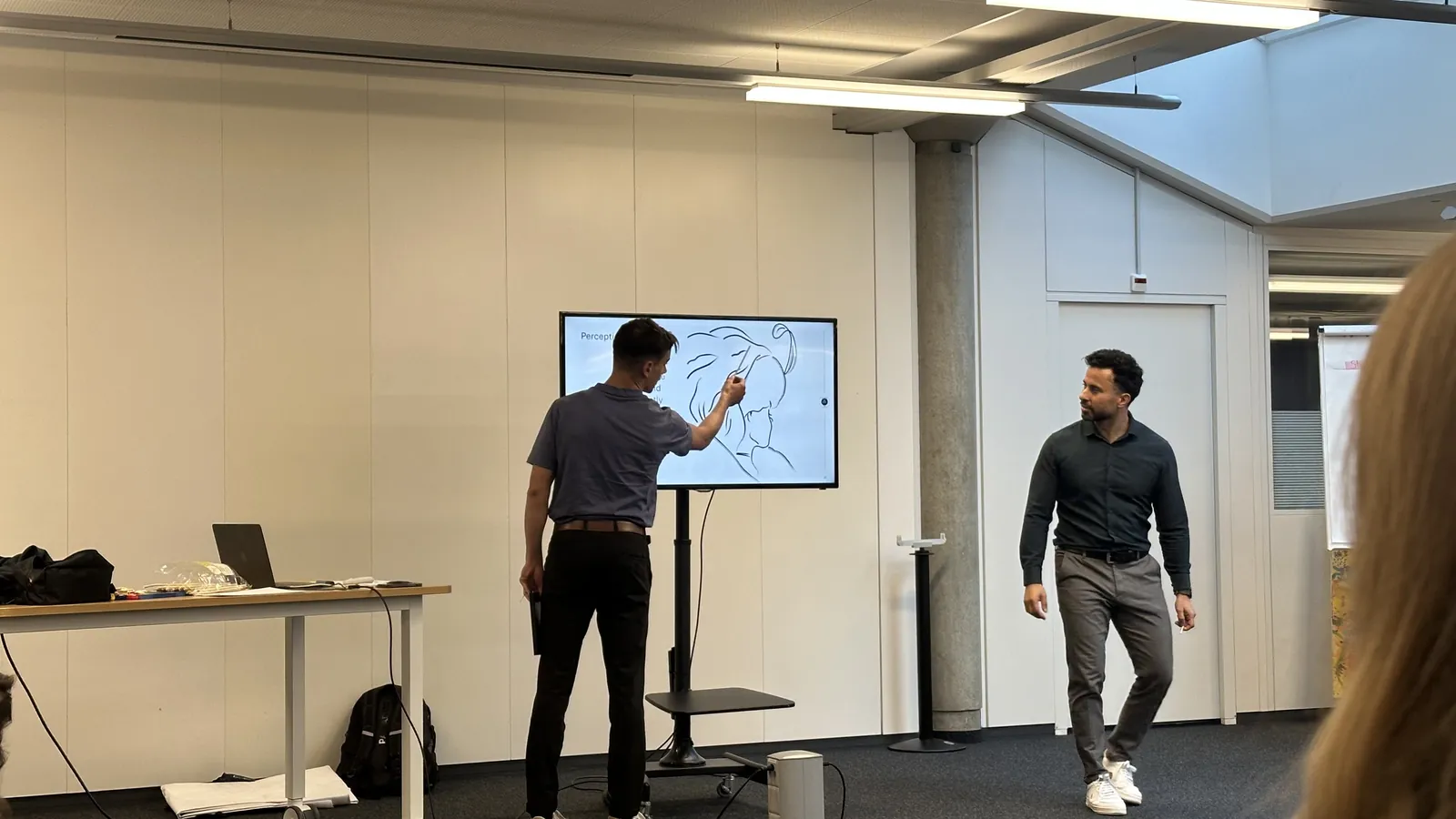
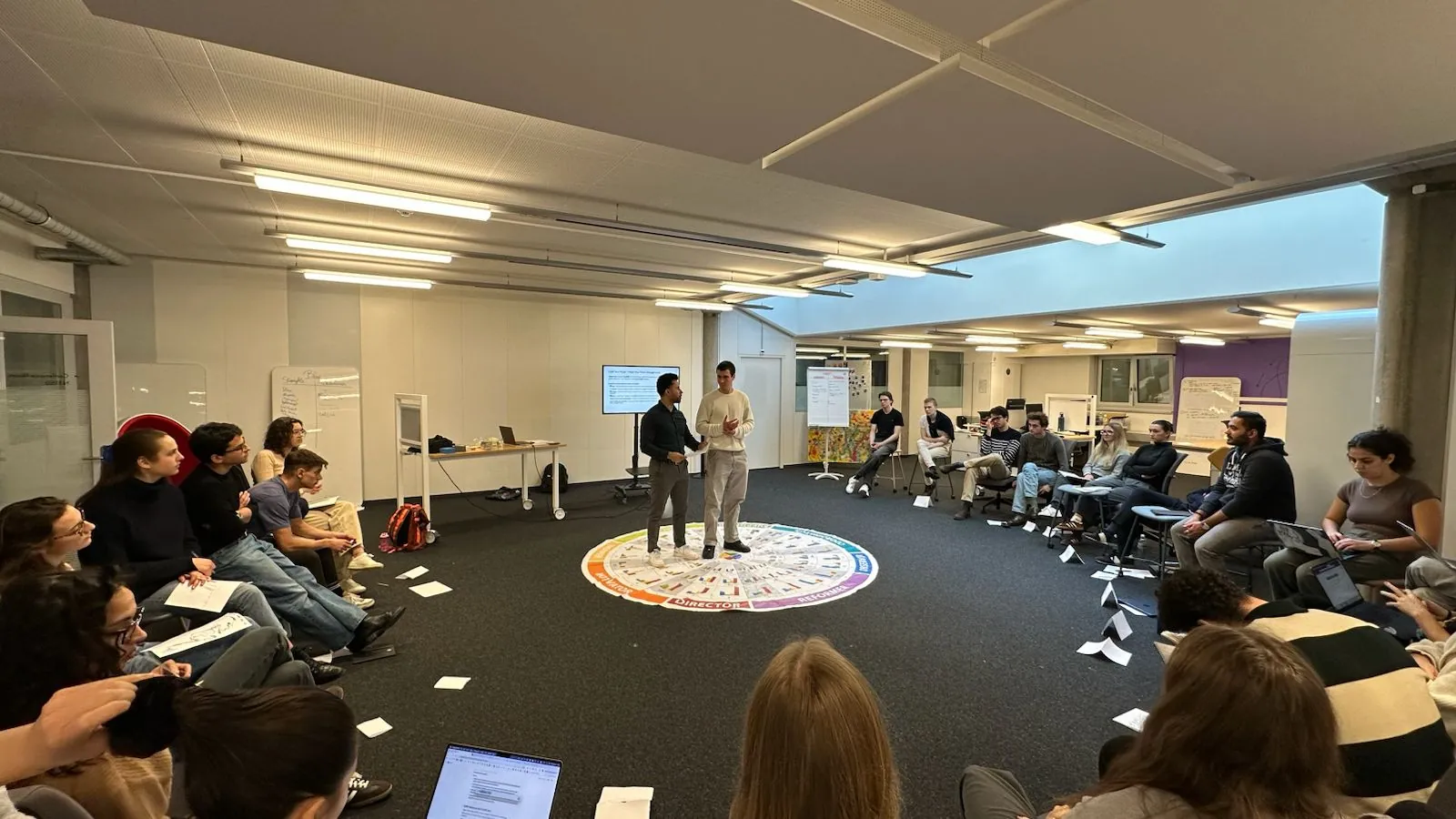
The theory takes a few minutes. The rest of the time, the team works on its own situations: a meeting that goes round in circles, a message that was badly received, two departments that do not understand each other. That is what I offer in the Working better together with Insights Discovery workshop.
An Insights Discovery practitioner based in Lausanne, I run these team development workshops in English and French. Book a 30-minute call to see whether this format suits your team.
Let’s talk about your situation.
A first 30-minute call to clarify your need and the format that would suit your team.
The author
Bertrand COMTE is a consultant, trainer and actor based in Lausanne. Founder of VitaMind, he works in-company in Lausanne, Geneva and across French-speaking Switzerland with executives, B2B sales teams and corporate programmes, in English and French.
Discover his backgroundRead next
 Insights Discovery
A questionnaire of 25 sets of words, then a profile of several pages. What it really contains, and the right way to read it.
 Insights Discovery
Three tools, two theoretical origins, one question: which one will really help your team work better together?
 Insights Discovery
Same message, four ways of receiving it. What helps and what irritates depending on the other person’s dominant energy.