
Role-play in sales training: why replaying the scene changes everything
Salespeople hate role-play, often with good reason. What separates an awkward exercise from practice that changes real meetings.
BlogSimulations
An athlete does not discover the match on match day. Why managers gain from rehearsing their important conversations.

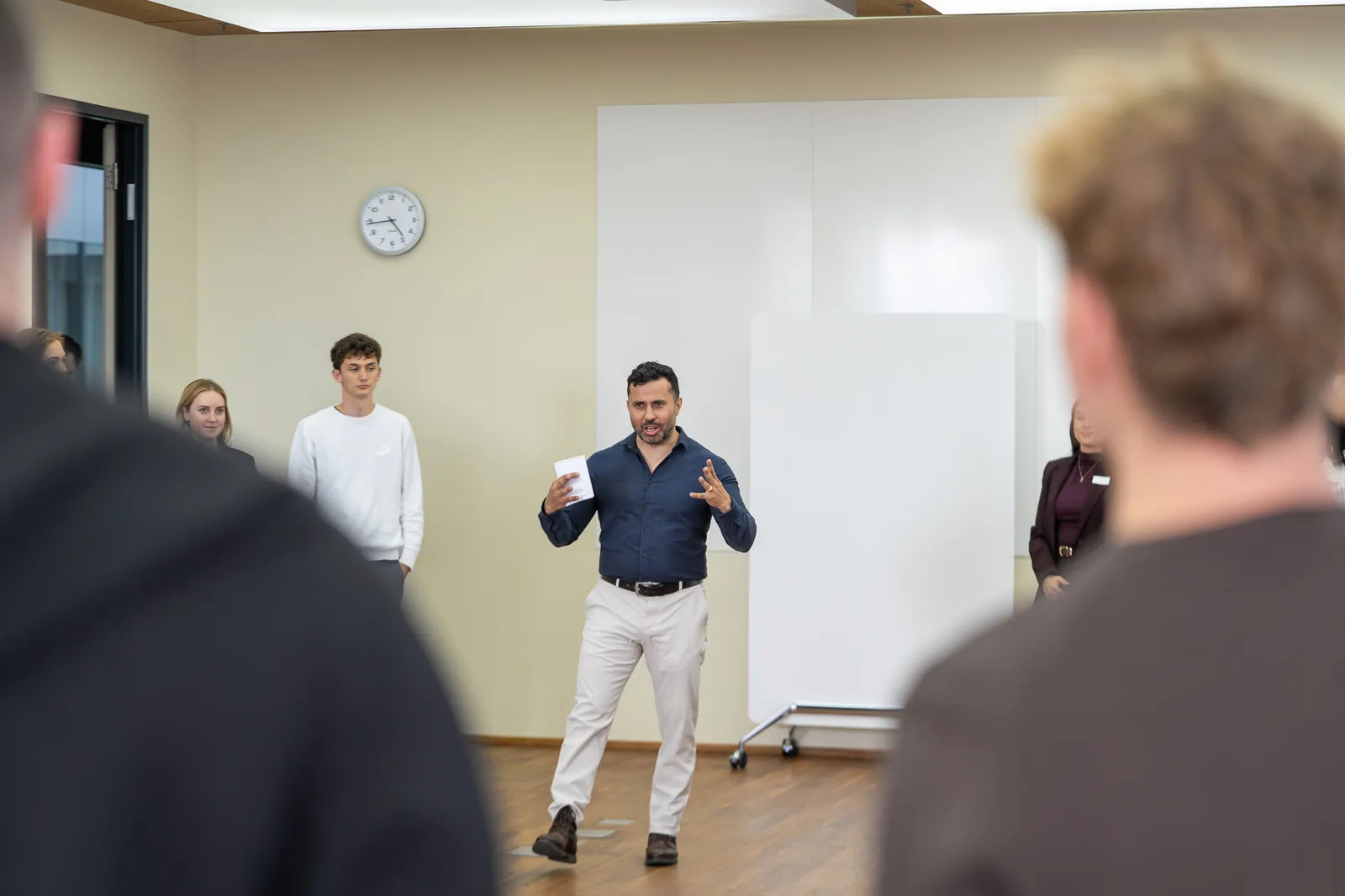
Management conversation simulation: a pilot spends hours in a simulator before carrying passengers. An actor rehearses for weeks before opening night. A manager, on the other hand, leads the most delicate conversation of the year without ever having tried it.
They have read about the subject, sometimes attended a course. They know what they should say. But between knowing it and managing to say it to someone who closes up, argues back or starts to cry, there is a world of difference. That gap is only crossed by practising.
A behaviour that causes problems, a drop in performance, a tone that damages the team. See also how to give difficult feedback.
Two people who no longer speak to each other and whose conflict weighs on everyone else.
Meeting an overloaded team member and deciding with them what changes.

If you circle around the subject, they get impatient. If you attack, they defend themselves. If you listen, they open up. You immediately see the effect of your words and posture.
A peer will rarely play cold anger or stubborn silence. An actor does, because it is their job, and because that is sometimes what awaits you.
The context, the person, what you want to achieve and what you dread.
I build a scenario from your situation and react to what happens in the conversation.
On one precise moment: the sentence that opened the discussion, the one that closed it, the instant you lost the thread.
You test a different approach and choose what you want to keep for the real conversation.
Not a memorised script. Phrases they have tried and that sound like them.
A conversation you have already lived once is far less frightening the second time.
Corporate simulations can be run one to one or in a group. For a team of managers, the Leading difficult conversations workshop also gives them a framework they can reuse.
Book a first 30-minute call: we define the context, the other person and what you want to work on in your simulation.
Let’s talk about your situation.
A first 30-minute call to clarify your need and the format that would suit your team.
The author
Bertrand COMTE is a consultant, trainer and actor based in Lausanne. Founder of VitaMind, he works in-company in Lausanne, Geneva and across French-speaking Switzerland with executives, B2B sales teams and corporate programmes, in English and French.
Discover his backgroundRead next
 Simulations
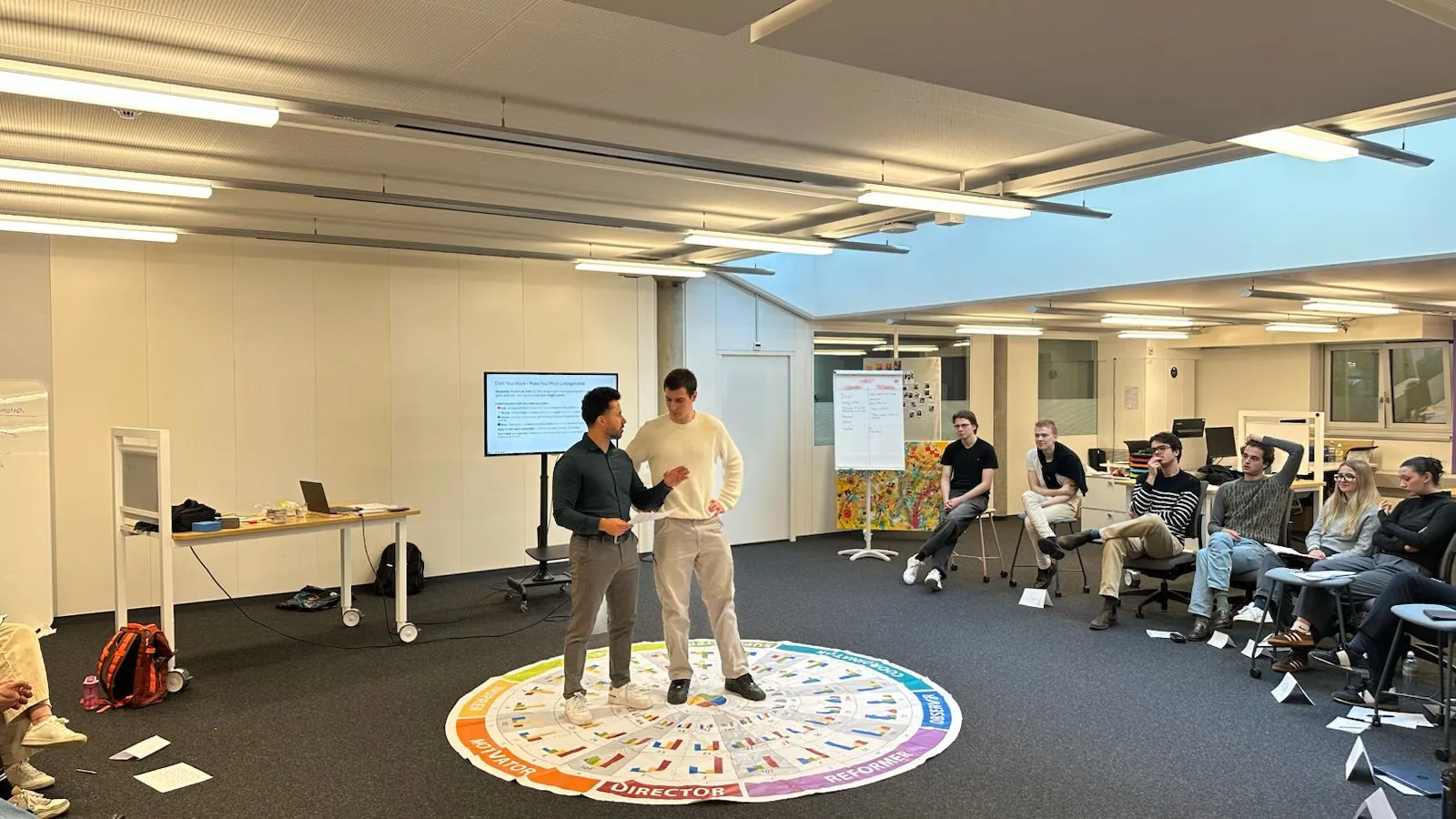
Salespeople hate role-play, often with good reason. What separates an awkward exercise from practice that changes real meetings.
 Simulations
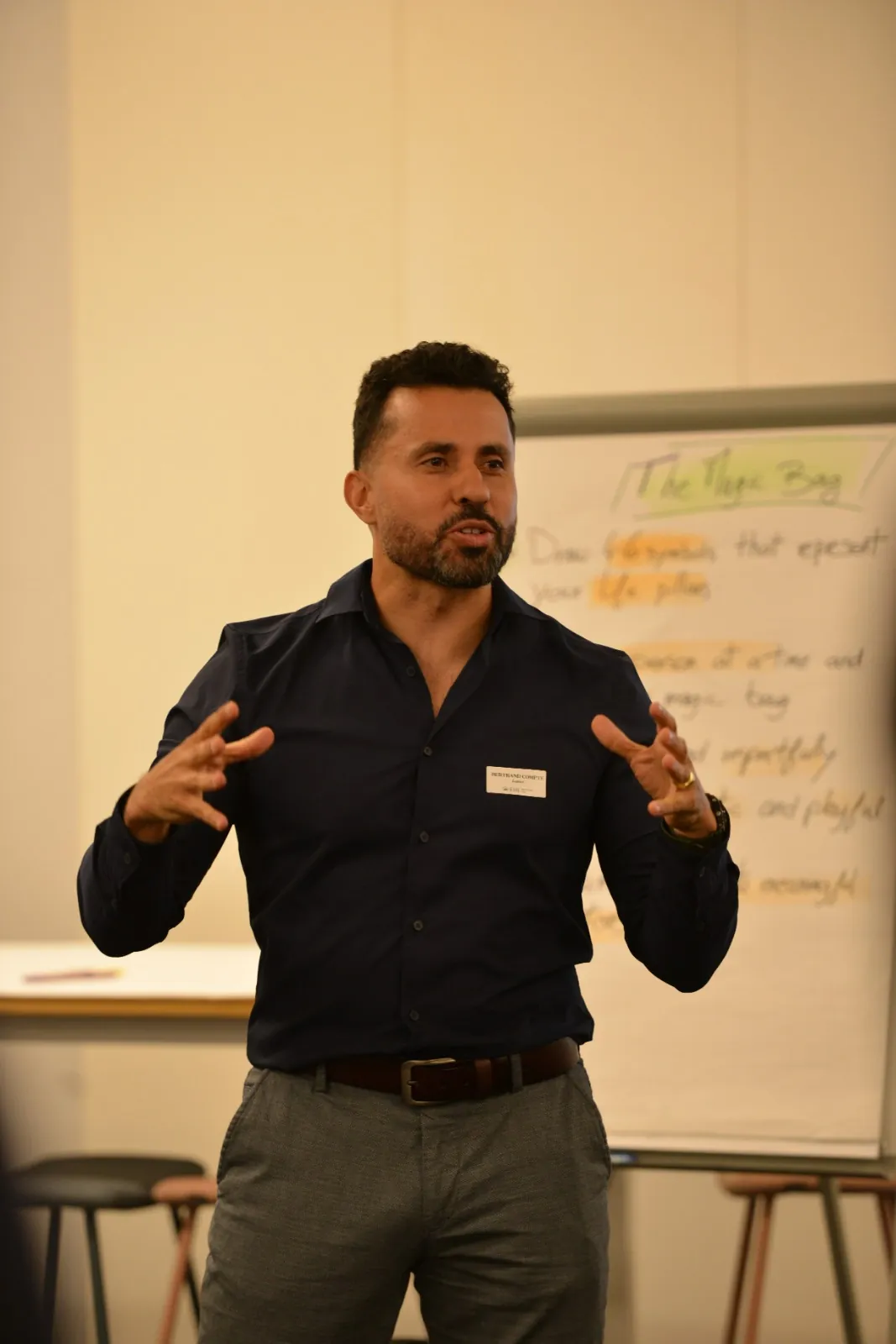
A good product badly told loses to an average product well presented. How to write, deliver and rehearse your pitch.
 Simulations
You know your answers by heart, and yet everything blurs at the second question. The difference between knowing what to say and having said it before.