
SME sales strategy: which clients should you target first?
Trying to speak to everyone means convincing no one. Here is how to choose the segments where your offer has the best chance of winning.
BlogSales
“Just checking in” brings no one back. What a good follow-up contains, and how to avoid having to follow up at all.

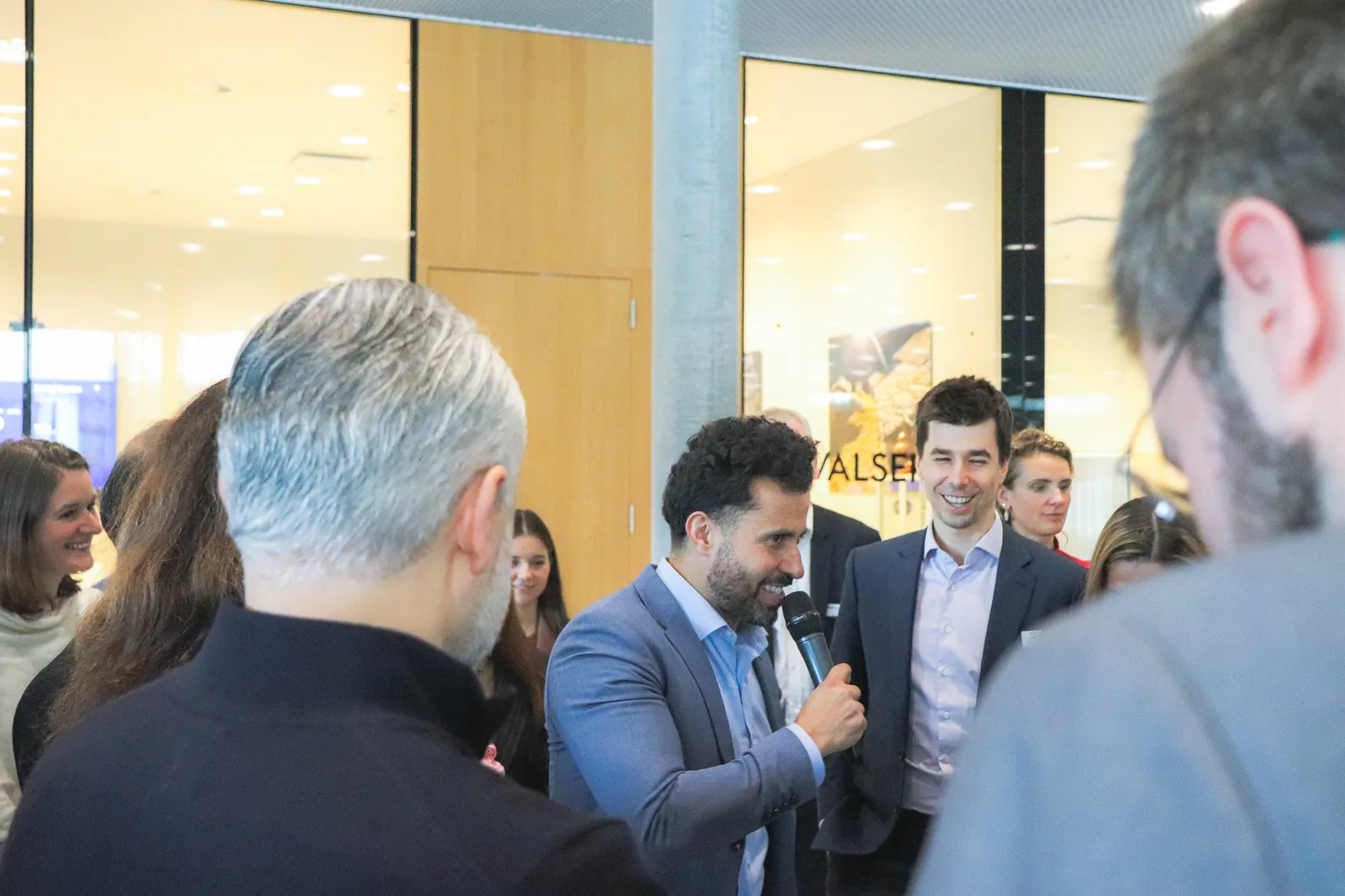
Sales follow-up: you had a good meeting, sent your proposal, and since then, nothing. A week goes by. You write “just checking in”. No reply. Two weeks. “Have you had time to look at my proposal?” Still nothing.
You then hesitate between insisting, at the risk of irritating, and giving up, at the risk of losing a deal that was very close. Most sales are not lost on a no. They are lost in that silence.
Your topic was important on the day of the meeting. Since then, other files have jumped the queue. Silence is rarely a refusal.
“Have you had a chance to look?” asks for an effort and offers nothing in return. They put it off, then forget it.
A doubt, someone to convince internally, a point in the proposal they did not understand. As long as that point is not cleared up, they will not move.
A useful figure, an example of a client in a similar situation, an answer to the question they did not dare ask. Every message should be worth opening.
Use their words: “You told me you wanted this sorted before September.” You are not applying pressure. You are reminding them of their own goal.
“Tuesday at 10 or Thursday at 2 for fifteen minutes?” A precise question gets an answer. A vague invitation does not.
A contact goes cold quickly. Leave it too long and your meeting is forgotten. Conversely, messages sent in quick succession make you look nervous. Space your follow-ups out, more and more.
After several attempts, one last honest message: “I understand this is no longer the priority. I am closing the file on my side, and my door remains open.” It often triggers the reply you had stopped expecting.
“I will send you the proposal on Thursday. When can we go through it together? Would Friday at 11 suit you?” If the next step is set before you part, there is nothing left to chase.
“Of course. What would help you decide?” That sentence brings out the real obstacle while you are still face to face.
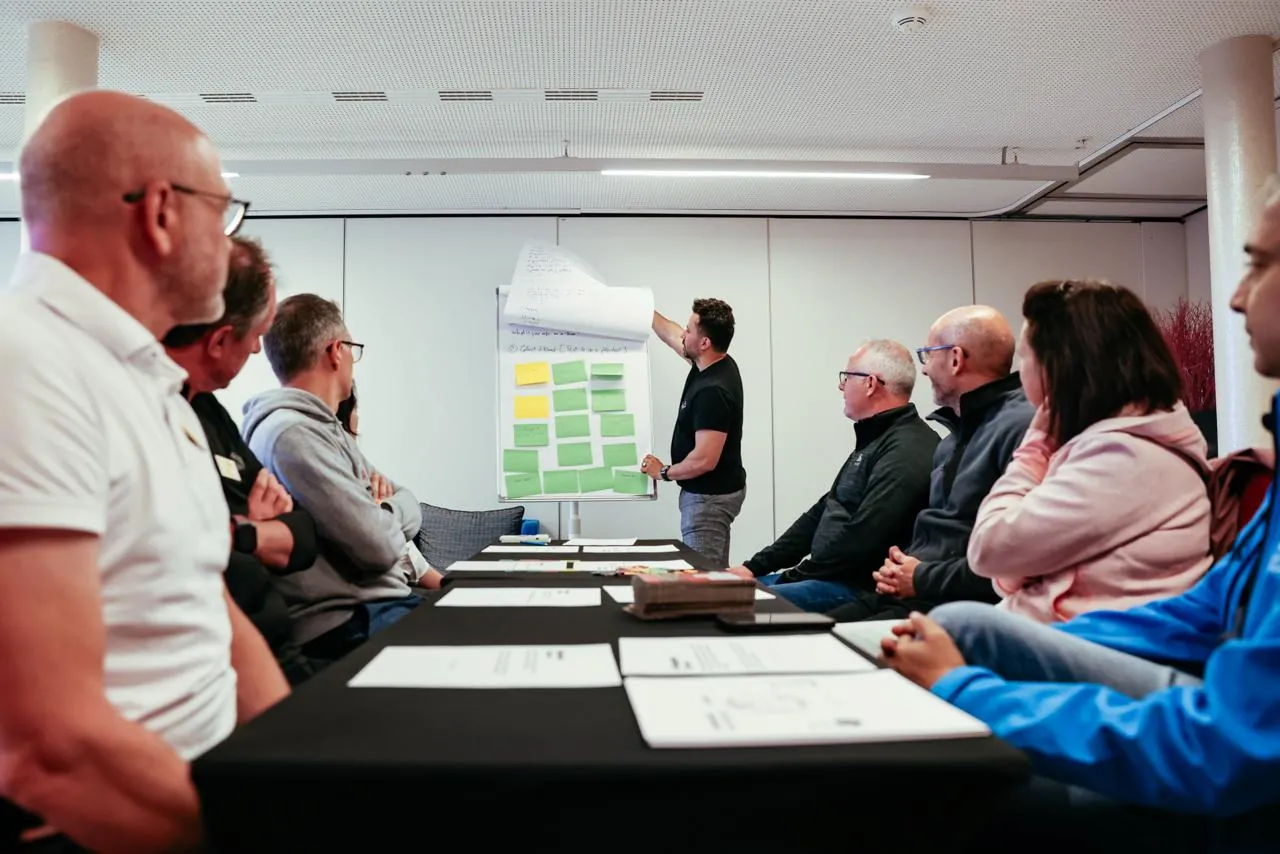
Setting the next step is precisely what we observe in the Sales performance in real situations workshop: the questions asked, the clarity of the proposal and how the follow-up is defined. It all starts with a good discovery call.
Book a first 30-minute call if your proposals too often go unanswered, and we will look at the sales workshops that fit your team.
Let’s talk about your situation.
A first 30-minute call to clarify your need and the format that would suit your team.
The author
Bertrand COMTE is a consultant, trainer and actor based in Lausanne. Founder of VitaMind, he works in-company in Lausanne, Geneva and across French-speaking Switzerland with executives, B2B sales teams and corporate programmes, in English and French.
Discover his backgroundRead next
 Sales
Trying to speak to everyone means convincing no one. Here is how to choose the segments where your offer has the best chance of winning.
 Sales
When all your clients come from your network, your business depends on luck. Here is how to choose two channels to test without spreading yourself thin.
 Sales
A sales plan that fits on one page and that the team actually applies: targets, message, channels, responsibilities.