Insights Discovery profile: what it contains and how to read it
A questionnaire of 25 sets of words, then a profile of several pages. What it really contains, and the right way to read it.
BlogInsights Discovery
Fiery Red, Sunshine Yellow, Earth Green, Cool Blue: what the 4 colours really say and what they change in a team.

Insights Discovery: you have probably heard about it from a colleague who told you, very sure of himself, that he was “mostly red with a touch of yellow”. At the time, it makes you smile. Then you wonder what it means, and above all whether it is any use on a Monday morning, when the team meeting goes round in circles for the third week running.
Let us be clear: the 4 colours do not put anyone in a box. They give a team a simple vocabulary for talking about what usually stays under the table. Why one person wants to decide right now while another is still asking for numbers. Why a message that seems crystal clear to you is received as a reproach.
I am an Insights Discovery practitioner and I run these workshops in English and French, in Lausanne and across French-speaking Switzerland. Here are the 4 colours without jargon, what they change day to day and how a workshop works.
Insights Discovery is based on the psychological types theory of the Swiss psychiatrist Carl Gustav Jung. The starting idea fits in one sentence: we do not all draw energy, gather information and make decisions in the same way. None of these preferences is better than another. It is when they meet without being named that misunderstandings set in.
Each participant completes an online questionnaire made up of 25 sets of words to rank. They then receive a personal profile: their communication style, their strengths, their possible blind spots and how others may perceive them. Reading in black and white that you can come across as cold when you simply feel focused gives you pause.
Everyone has all 4 colours, in a mix of their own. We talk about preferences: the colour you go to spontaneously, especially under pressure. The model is there to open a conversation, not to excuse a behaviour or judge a colleague.
This energy goes straight to the point. It likes clear goals and quick decisions. To work well with it, start with the conclusion and propose a decision. Its watch-out: going so fast that others have not had time to follow.
Turned towards people and ideas, it brings momentum and gets everyone talking. Leave room for discussion before diving into the tracking sheet. Its watch-out: launching several exciting topics and finishing only one.
It cares about relationships and values, and senses tensions before anyone else. Explain the why behind a change and ask for its opinion one to one. Its watch-out: keeping a disagreement to itself to preserve the atmosphere.
It wants to understand before acting, checks and structures. Send the document before the meeting and give facts. Its watch-out: waiting for perfect information when a decision is needed on Friday.
Once preferences have been named, the team organises itself differently: agenda sent in advance, a clear announcement that a decision will be made, a round-table to hear those who do not interrupt. Small adjustments that save time every week.
The same feedback is not heard in the same way depending on who is in front of you. Knowing the colours helps you choose your first words. To go further, see how to give difficult feedback.
Putting the profiles of two teams side by side on the Insights wheel is often a turning point: everyone sees why the other reacts the way they do. It is also an answer to tensions between departments.
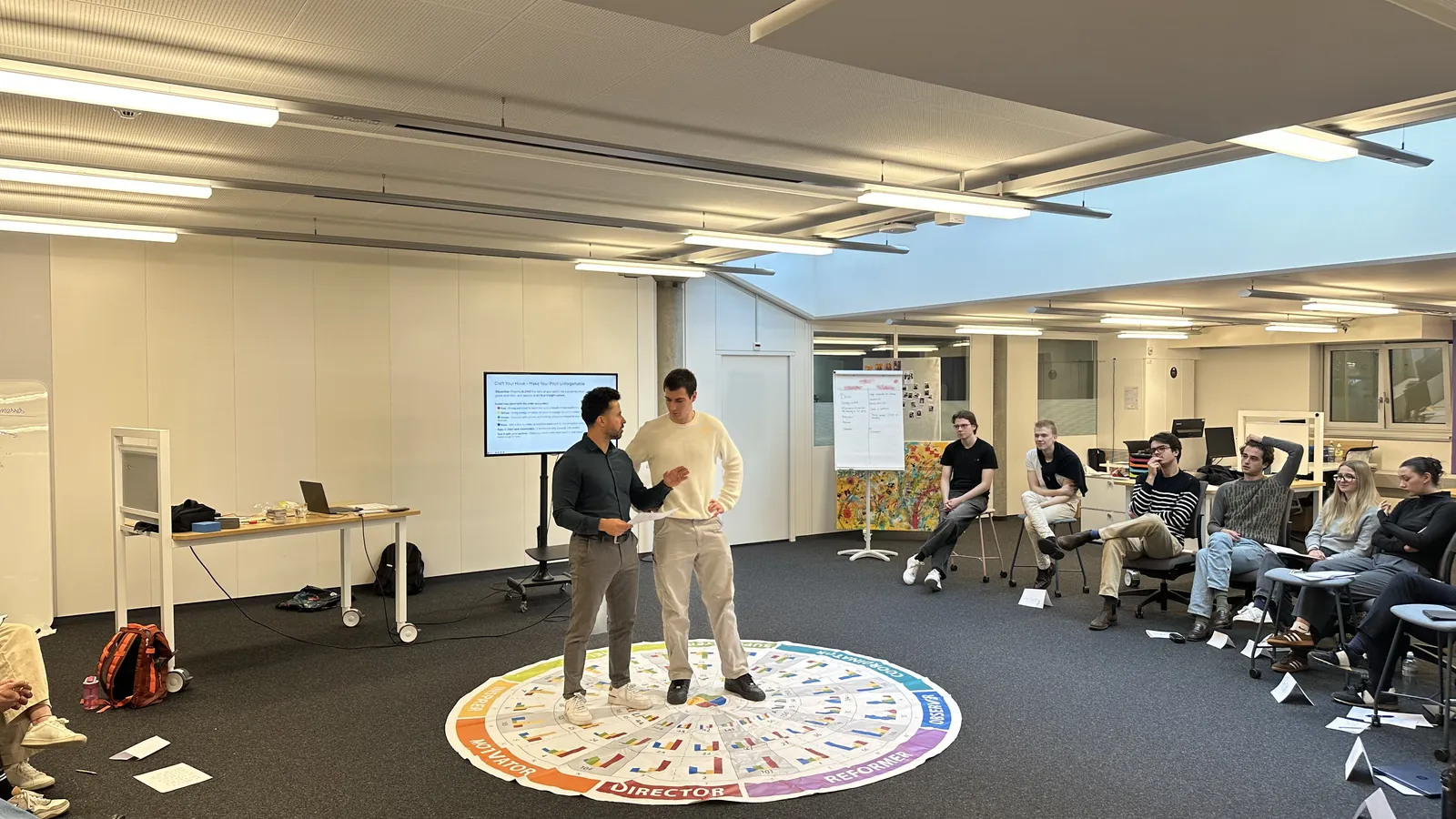
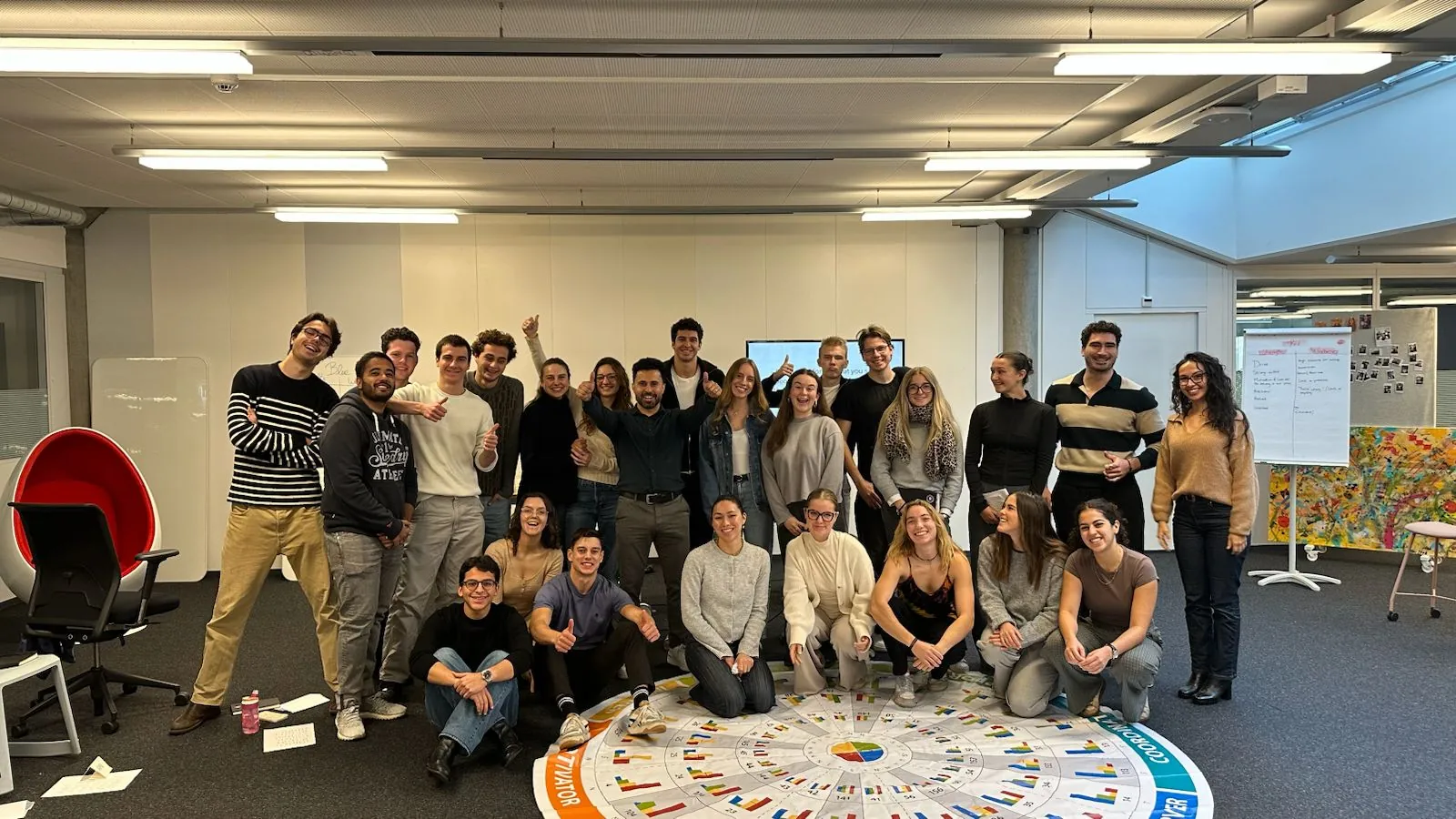
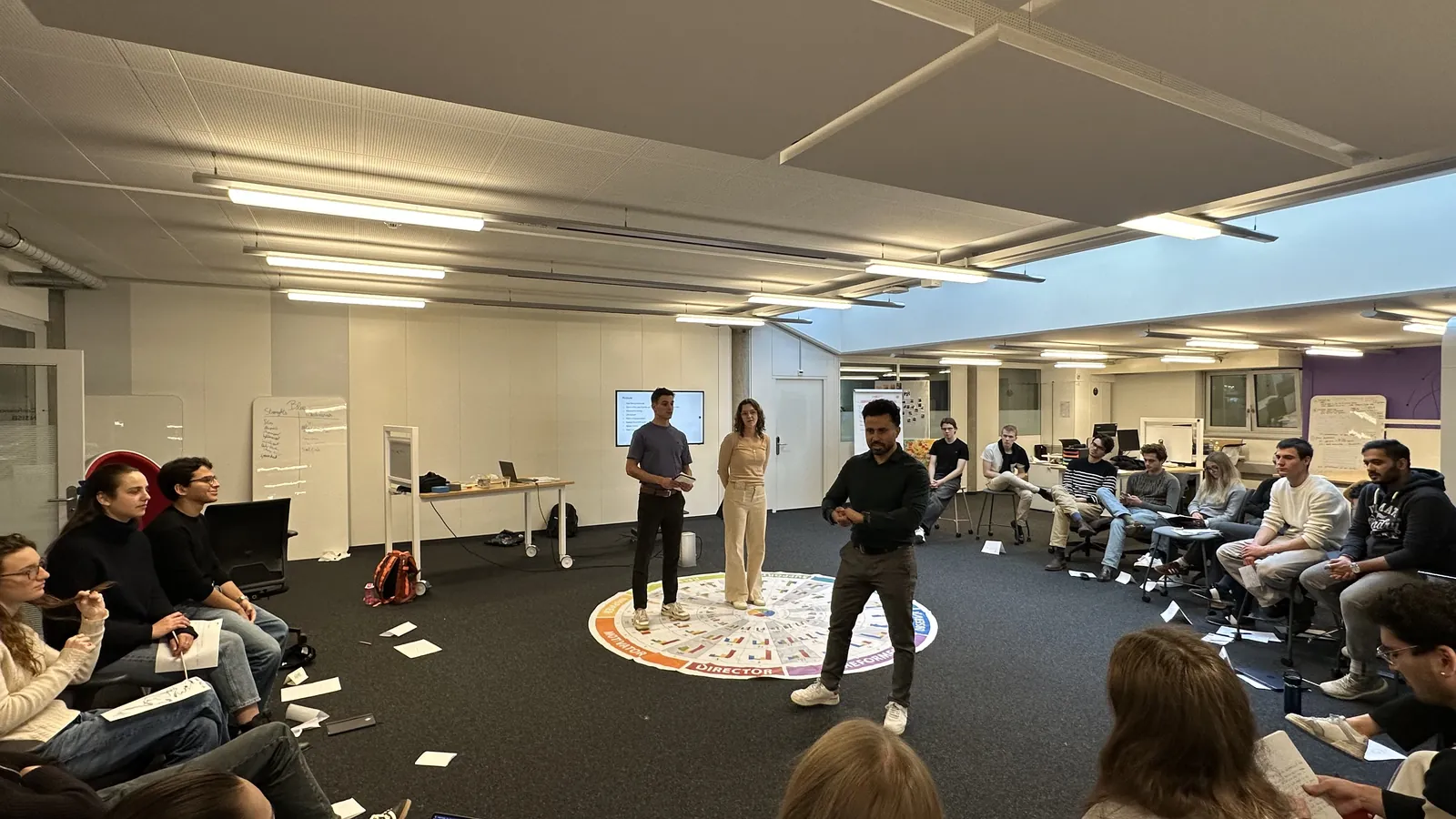
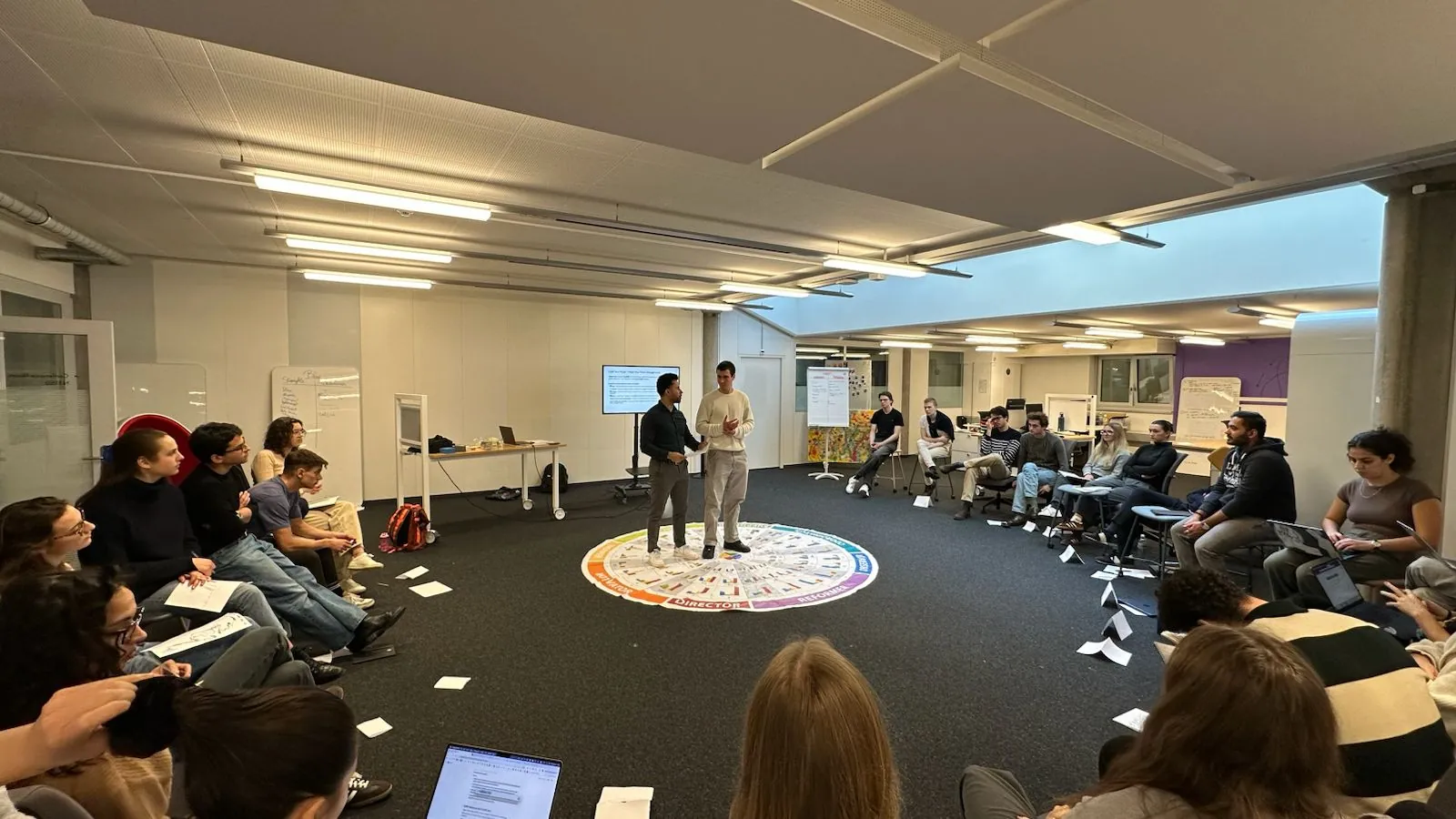
The workshop is experienced standing more than sitting. The team places itself on a large wheel laid on the floor and sees its distribution at a glance. Then we apply those observations to your situations: a meeting where decisions stay vague, a project shared between two departments, expectations voiced too late.
The team leaves with rules it has chosen itself and can apply from its very next meeting. Only a few: the ones that will actually be kept.
Executive team, sales team, HR department, group of young leaders: I work in Lausanne, Geneva, Fribourg, Neuchâtel and Valais, and remotely or abroad depending on the format, in English or French.
The 4 colours do not solve everything. They give your team a shared language that makes useful conversations easier to open. Explore the Working better together with Insights Discovery workshop.
In a first 30-minute call, you describe your context: the size of the team, what is stuck today, what you would like to see change. I will tell you frankly whether this team development workshop is the right starting point.
Let’s talk about your situation.
A first 30-minute call to clarify your need and the format that would suit your team.
The author
Bertrand COMTE is a consultant, trainer and actor based in Lausanne. Founder of VitaMind, he works in-company in Lausanne, Geneva and across French-speaking Switzerland with executives, B2B sales teams and corporate programmes, in English and French.
Discover his backgroundRead next
 Insights Discovery
A questionnaire of 25 sets of words, then a profile of several pages. What it really contains, and the right way to read it.
 Insights Discovery
A Swiss psychiatrist, a book published in 1921, a Scottish company founded in 1993. The short history of a model your teams may already use.
 Insights Discovery
Three tools, two theoretical origins, one question: which one will really help your team work better together?