Insights Discovery profile: what it contains and how to read it
A questionnaire of 25 sets of words, then a profile of several pages. What it really contains, and the right way to read it.
BlogInsights Discovery
Three tools, two theoretical origins, one question: which one will really help your team work better together?
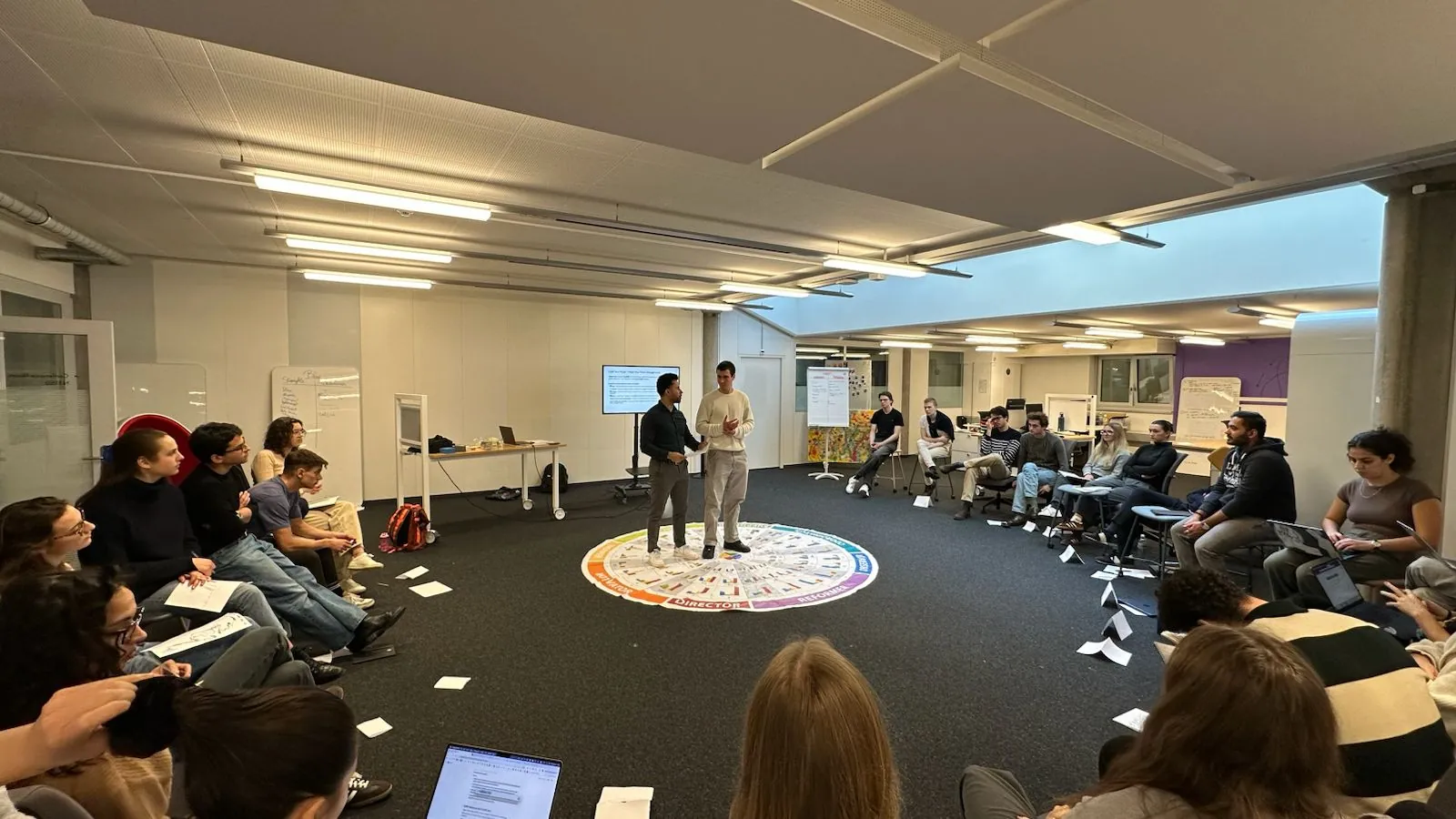
Insights Discovery, DISC or MBTI: if you are preparing a team off-site, you probably have these three names on your list. All three promise better self-knowledge and better teamwork. Yet they do not come from the same place and are not used in quite the same way.
I am an Insights Discovery practitioner, so I do not claim to be neutral. Here, however, are some factual points of comparison.
The Myers-Briggs Type Indicator was developed by Katharine Cook Briggs and her daughter Isabel Briggs Myers from the psychological types of Carl Gustav Jung. It results in 16 types, each designated by four letters.
DISC is based on the work of the American psychologist William Moulton Marston, published in 1928 in his book Emotions of Normal People. It describes four dimensions of behaviour: Dominance, Influence, Steadiness and Conscientiousness.
Like the MBTI, Insights Discovery draws on Jung’s theory. The model was designed by Andi Lothian, who founded Insights with his son Andy in 1993 in Scotland. It translates preferences into four colour energies, eight types and 72 positions on a wheel.
Four letters, four dimensions or four colours. Colours have a practical advantage: a team remembers them and reuses them spontaneously, without rereading its notes.
Each tool delivers a personal document. The Insights Discovery one is produced from a questionnaire of 25 sets of words and describes your style, your strengths, your possible blind spots and your way of communicating.
Insights Discovery and DISC both use four colours in many presentations, which feeds the confusion. Their theoretical basis is not the same: Jung on one side, Marston on the other.
None of these tools resolves a tension simply by existing. First ask what the team needs to do better in three months: decide, talk to each other, cooperate across departments.
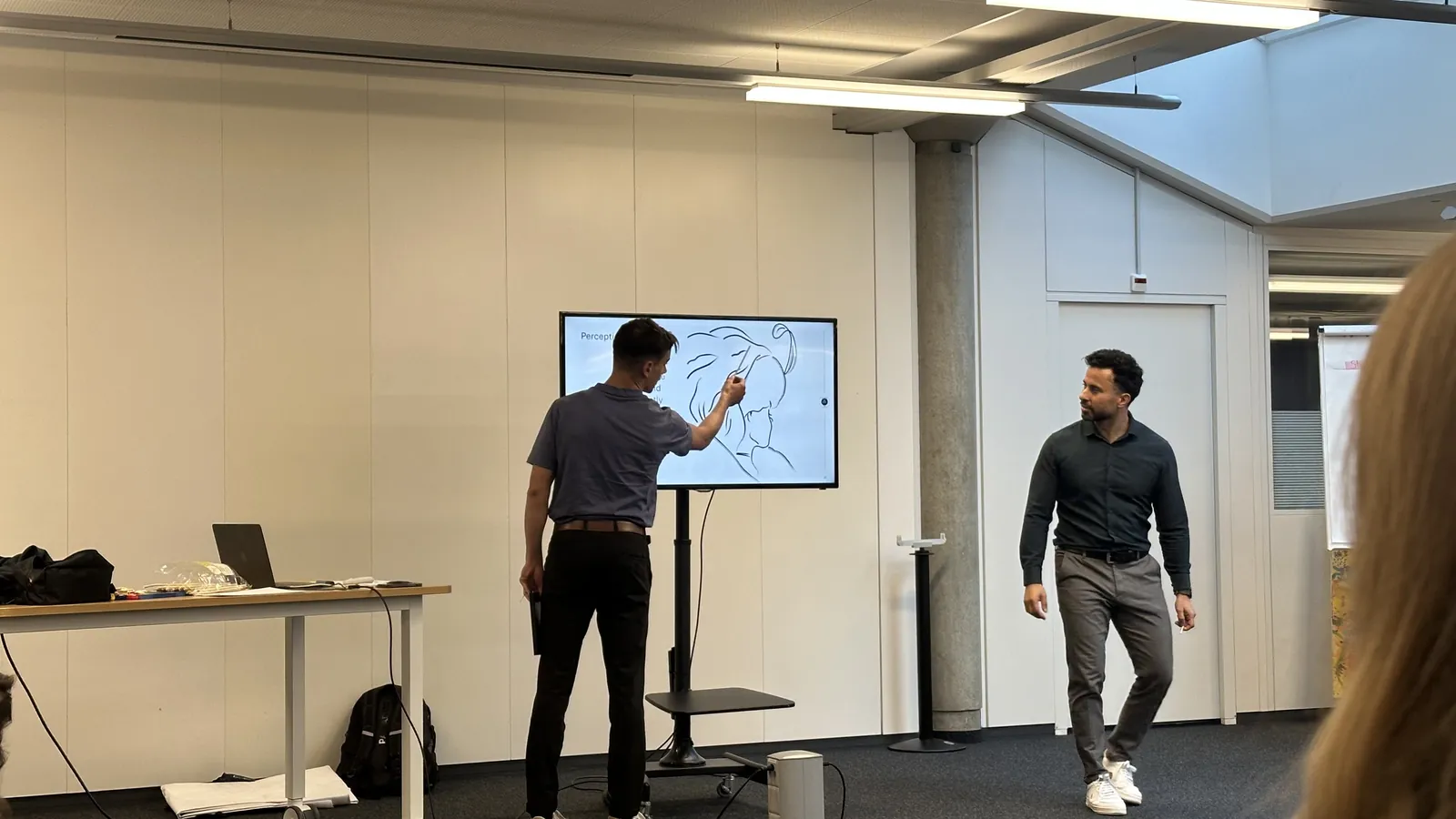
The tool matters less than the person who brings it to life. A successful workshop connects the model to your real situations from the first hour.
Whatever the tool, the risk is the same: sticking a label on a colleague. A good facilitator spends time avoiding that.
I use Insights Discovery because its vocabulary stays in the team long after the session. In the Working better together with Insights Discovery workshop, we apply those insights to your work situations.
Still hesitating between several approaches? Let us talk about your context: I will tell you whether this team workshop is a fit, or not. Book a 30-minute call.
Let’s talk about your situation.
A first 30-minute call to clarify your need and the format that would suit your team.
The author
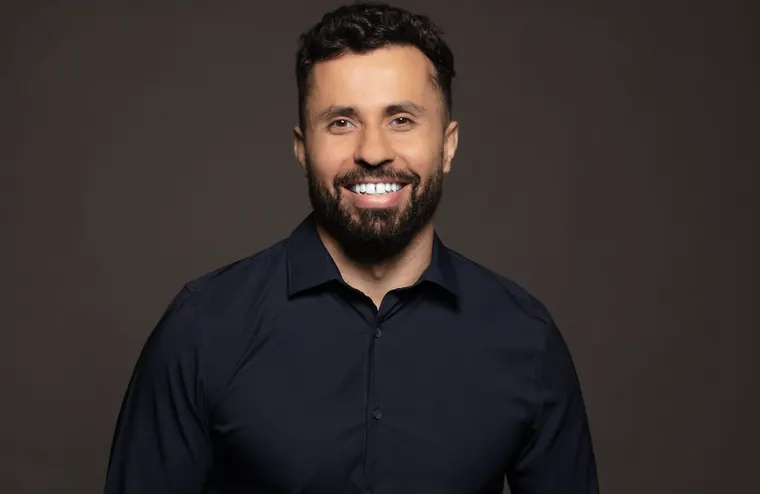
Bertrand COMTE is a consultant, trainer and actor based in Lausanne. Founder of VitaMind, he works in-company in Lausanne, Geneva and across French-speaking Switzerland with executives, B2B sales teams and corporate programmes, in English and French.
Discover his backgroundRead next
 Insights Discovery
A questionnaire of 25 sets of words, then a profile of several pages. What it really contains, and the right way to read it.
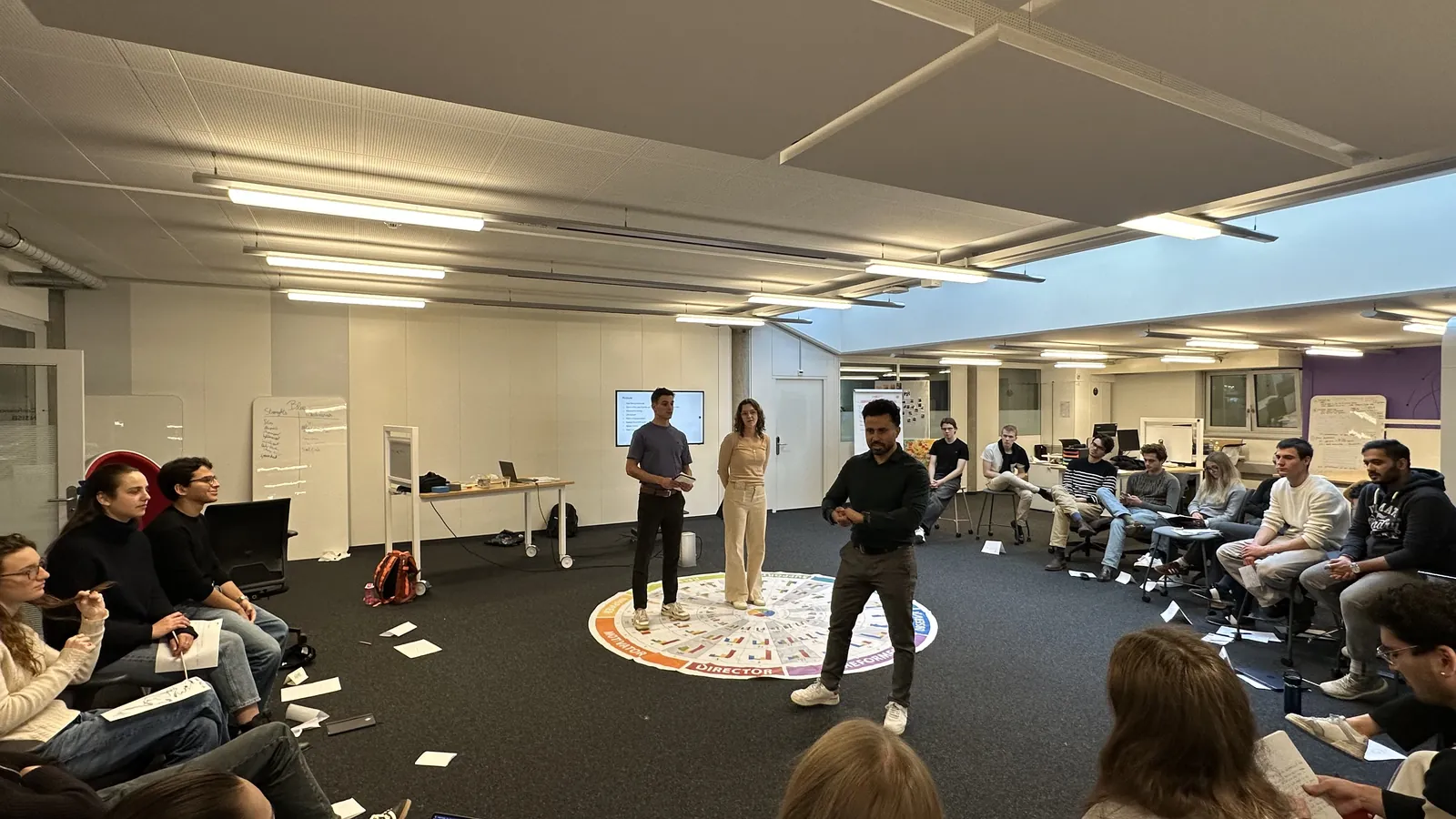 Insights Discovery
A Swiss psychiatrist, a book published in 1921, a Scottish company founded in 1993. The short history of a model your teams may already use.
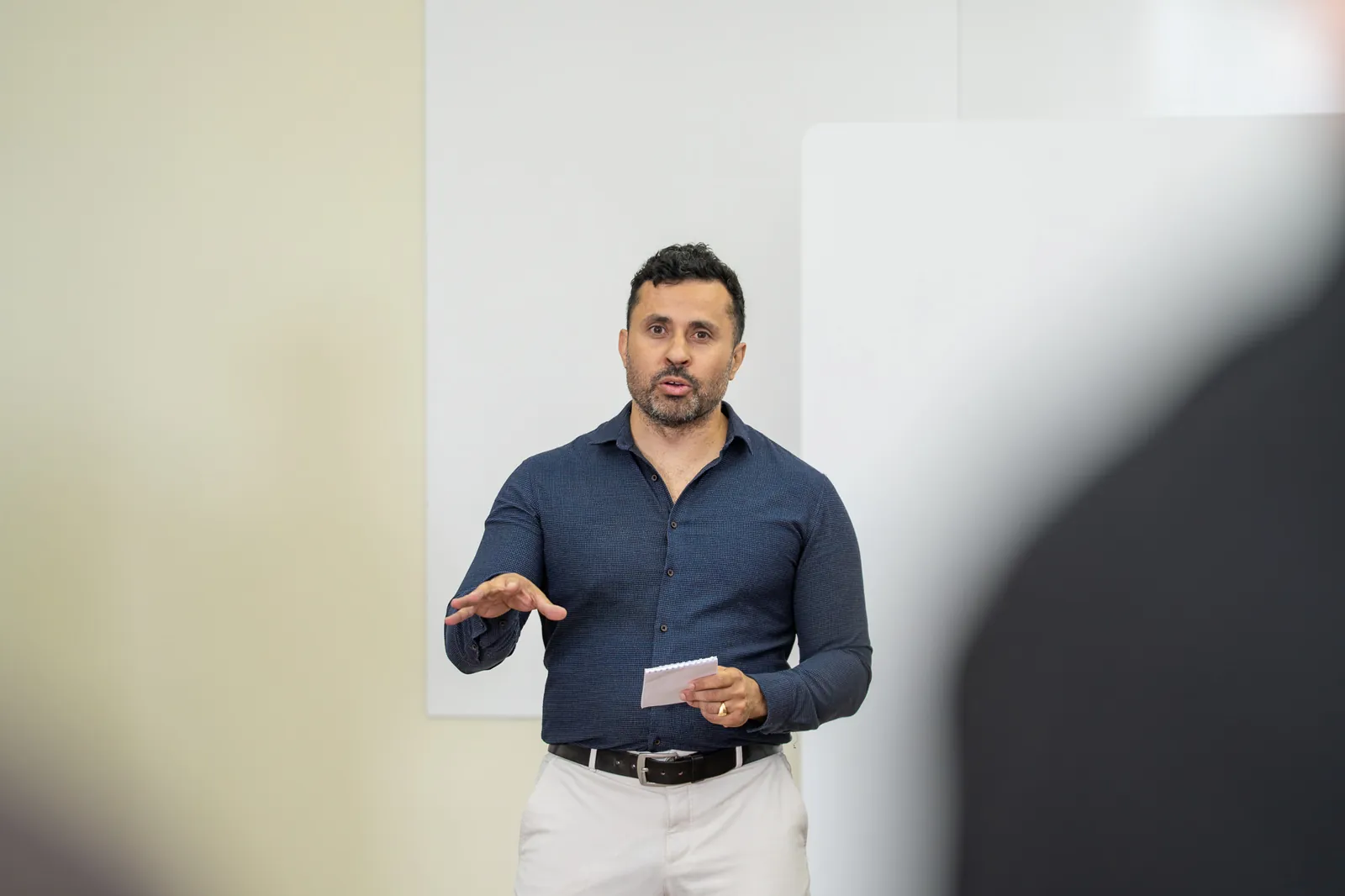 Insights Discovery
Same message, four ways of receiving it. What helps and what irritates depending on the other person’s dominant energy.